





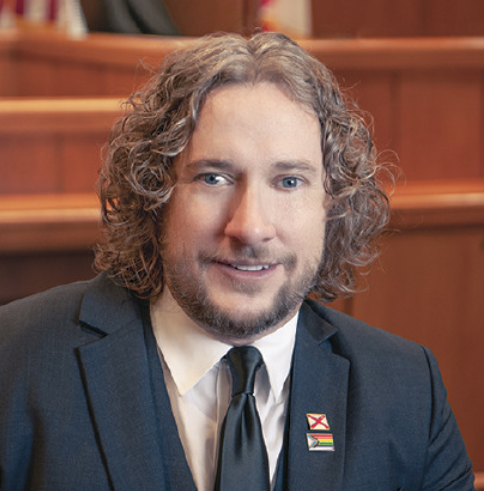
By Jay Greene, Esq. CPA—
The New 2026 Medi-Cal Landscape
As of January 1, 2026, California reinstated the asset test for most long-term care Medi-Cal programs. These cover nursing home and intensive in-home care.
For Bay Area residents—including seniors, couples, and chosen families—home equity and savings can now affect eligibility sooner than expected. In a region with high housing costs and complex households, this feels urgent.
With limits in place, the real challenge is practical. Apply for long-term care Medi-Cal in a way that matches your actual household and estate plan.
Why Paperwork Matters as Much as Planning
Good planning alone does not guarantee smooth enrollment. Incomplete or inconsistent documents can stall the process.
1. Bay Area families often manage accounts at multiple banks. Properties may span city or county lines. Household setups may not fit standard forms.
2. Illness or sudden care needs add pressure, making details easy to miss. Counties expect specific information.
3. Long-term care applications require a 30-month lookback on finances, plus detailed income, asset, identity, residency, and medical records.
4. Missing statements, unclear transfers, or vague medical notes can lead to delays or denials, even with good-faith planning.
5. A strong application starts with gathering 30 months of statements for bank, investment, and key accounts so the county sees the full picture.
6. Workers review for gifts or low-value transfers that might create penalty periods before coverage starts.
Understanding this window early helps decide which transactions need explanation. Discuss with an attorney before filing, if needed.
Trusts, Transfers, and Telling a Clear Story
Trusts and planning tools become part of the county’s review. If you funded a trust, refinanced property, or shifted ownership in the 30-month window, document and review those before applying.
Show transfers as legitimate parts of a broader plan, done at fair market value when appropriate—not last-minute asset hiding.
When trust language, financial statements, and the application align, caseworkers can follow your story easily.
Applications also require proof of income, current assets, identification, and California residency. Include benefit letters, property records, account statements, IDs, leases, or utility bills.
Medical Records and Long-Term Care Need
Medical records carry equal weight in long-term care cases. Doctors’ notes and care plans must explain why you need skilled nursing or in-home services at Medi-Cal levels, not just list diagnoses.
Vague documentation makes approval hard under governing rules. Clear descriptions of needs ease review and reduce back-and-forth.
If using a revocable living trust, align trust schedules and asset lists with county information. Matching records make the application coherent.
How Bay Area Applications Are Filed and Reviewed
Most file online through BenefitsCal, by mail, or in person at county human services agencies. San Francisco’s Human Services Agency and nearby offices handle local cases.
Processing takes 30 to 45 days usually. Disability or complex cases may take longer.
Counties often request missing statements, transfer explanations, or updated medicals. Meet deadlines to keep your case moving.
Next Steps for LGBTQ+ and Allied Families
For LGBTQ+ and allied families, tailored trusts, updated paperwork, and prepared applications preserve autonomy, protect housing, and secure care in the expensive Bay Area. This matters for those relying on partners or chosen family.
Treat paperwork as core planning, not a crisis task. If long-term care looms, gather statements, review your trust or estate plan, and clarify household details this year—before health issues force rushed decisions.
A consultation can show how 2026 rules and trusts fit your situation. Contact Greene Law Firm, P.C. today. Call 415-905-0215 or email info@greenelawfirm.com—free initial assessment.
Statements in Compliance With California Rules of Professional Conduct
The materials in this article are for educational purposes only and are not legal advice. Consult an estate planning attorney for personalized guidance.
Attorney Jay Patrick Greene, Esq., CPA, founded Greene Law Firm, P.C., which is licensed in California, Alabama, and Florida. He has over 15 years of experience in wills, trusts, probate, elder law, and asset protection. For more information, visit
https://www.assetprotectionbayarea.com/
Trust Essentials
Published on March 26, 2026













Recent Comments