









By Donna Sachet—

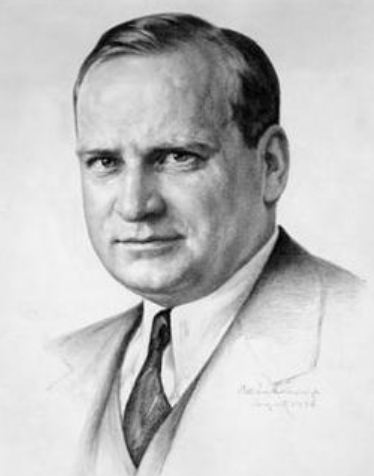
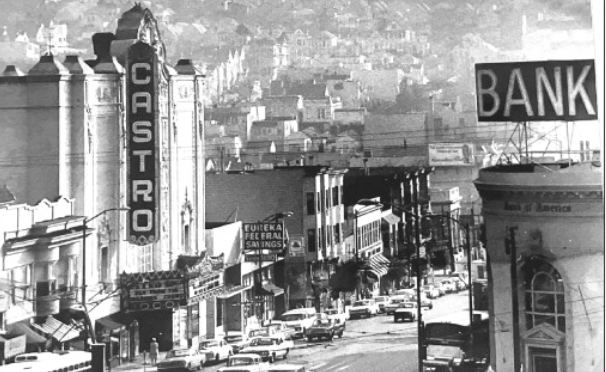
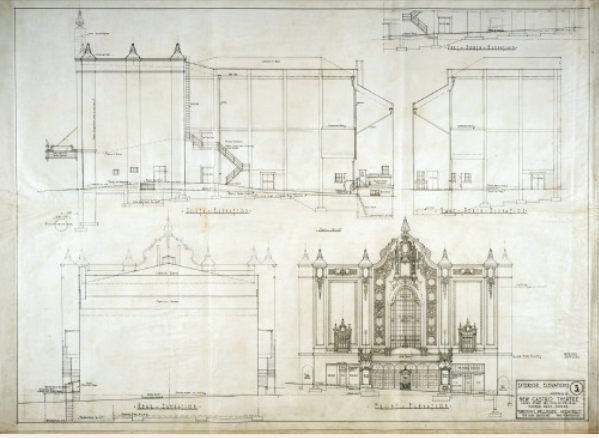
The year was 1922, and, on June 22, the Nasser family, having run a successful theatrical venue at the current location of the popular Cliff’s Variety store, unveiled a sparkling new Castro Theatre, designed by 28-year-old Timothy Pflueger. Mayor James Rolph, Jr., and representatives of the Eureka Valley Promotion Association were on hand to cut the ceremonial ribbon before the sold-out 8 pm performance began.
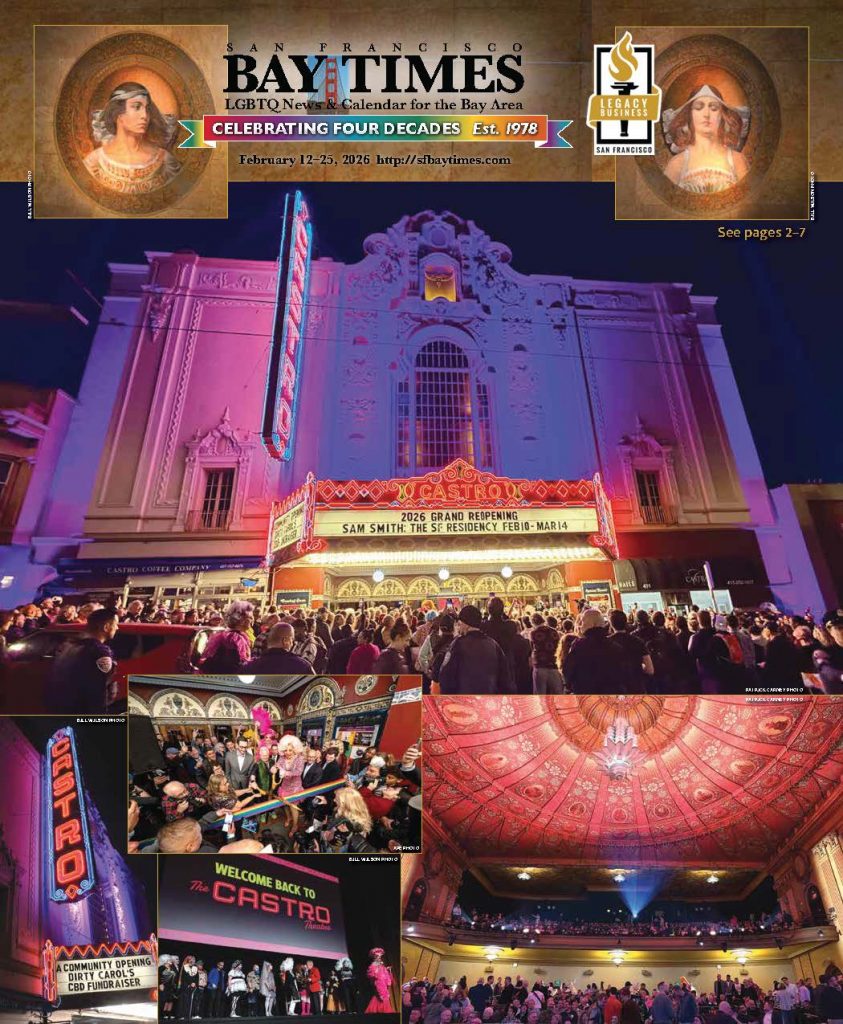
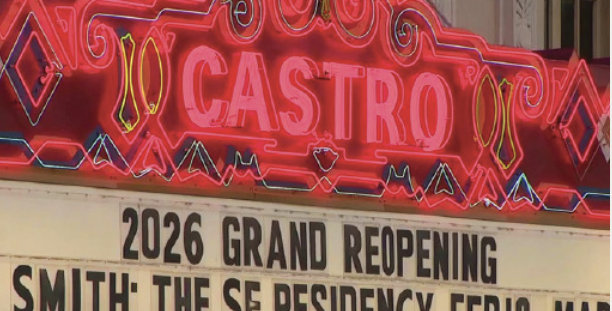
Flash forward and the year is 2026, and, on February 6, after decades of dwindling business and punishing wear and tear, months of lengthy and sometimes contentious public debate, followed by two years of painstaking historic revival, modern updating, and artistic refurbishing, Another Planet Entertainment welcomed hundreds of film afficionados, supporters of the live arts, and engaged neighbors to the new and improved Castro Theatre.
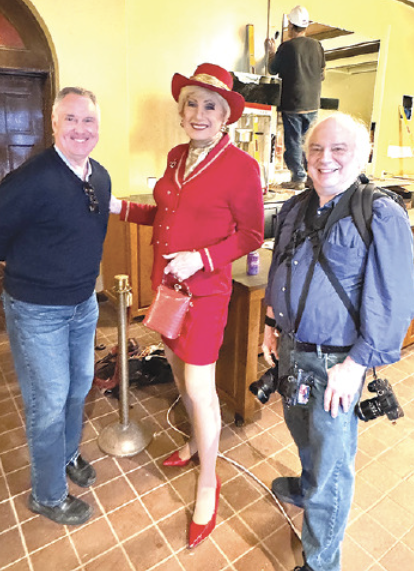
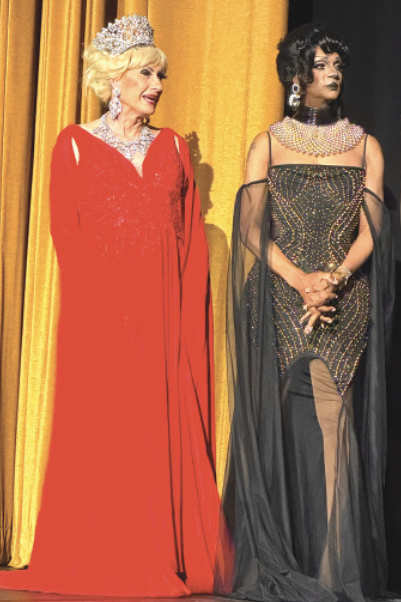
Mayor Daniel Lurie, surrounded by other elected officials and dignitaries, not to mention a gaggle of Drag Queens, was on hand to help cut the rainbow-hued ribbon before opening the doors to the anxiously waiting crowd. If ever there was a Who’s Who Night in the Castro, it was that night, overflowing with city officials, nonprofit directors, creative artistic leaders, and movers and shakers of all stripes.
The original building was erected at the unbelievable cost of $300,00, but Another Planet Entertainment far exceeded their original budget for this update. Originally estimated to cost $15 million, the upgrade of The Castro Theatre ended up exceeding $41 million. Sources ascribe the additional costs to unexpected damage suffered over the years, an unwavering commitment to restoration of artistic elements to their original condition, and overruns on technical equipment, including PG&E-required connections. As neighbors are well aware, Castro Street was being dug up as late as a week before the reopening to meet PG&E power requirements, and much of that work had to be done by hand with shovels to protect old pipes and subterranean infrastructure.
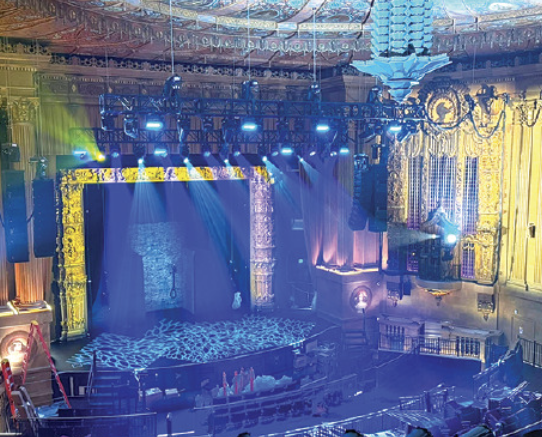
The aesthetic results are extraordinary. The domed ceiling, once clouded by years of grime, including residue from when smoking was allowed within, now glows with intimate painted decorations suggestive of faraway exotic places and extensive gold-leafing. The striking chandelier is not original, since it was delicate parchment and had been destroyed by one of the miraculously rare fires in the building. It was replaced by an Art Deco metallic lighting fixture, which was then cleaned, restored, and fully illuminated.
The side walls were originally covered with murals with the appearance of tapestries in a wet plaster technique called “sgraffito” and had to be carefully cleaned and lovingly restored. On stage, the original proscenium had long been hidden behind the screen installed for motion pictures, but it now shines brightly in gold with a leaf pattern winding to the ceiling. And, although not complete for opening weekend, the world’s largest digital pipe organ will soon rise from below the stage to be skillfully played once again by David Hegarty before key events.
One of the most contentious disagreements involved in this remodel was that of the patron seats. Those in the balcony remain, protected as historic, but are certainly showing their wear and tear. On the main floor, however, all seats are now versatile, as is the floor itself, which can be leveled and opened for standing room when appropriate. When used for a film viewing, these seats provide improved sightlines and greater creature comforts and allow for more accommodating seating for disabled patrons. The public will get to experience the alternative main floor plan when mechanical devices establish flat gathering spaces for concerts and other similar events, most immediately during the multi-week engagement of Sam Smith. Only then will we enjoy the full benefit of this expensive, but versatile, improvement.
Most significantly, the reopening of the Castro Theatre represents the beginning of a new chapter for the Castro neighborhood. If opening weekend is any indication, foot traffic is already dramatically increasing. Imagine bars and restaurants packed with patrons, retail stores teeming with browsers, hair salon and nail boutique seats filled, and the list goes on and on. Imagine vacant storefronts springing to life, offering new reasons to wander through the neighborhood at all times of the day.
Could the long vacant Pottery Barn location actually become a live music cabaret? Could the corner of 18th and Castro once again see all four corners occupied and those rainbow crosswalks delightfully in use? Could the magical former Café Flore corner once again explode with activity, waking up that entire area?
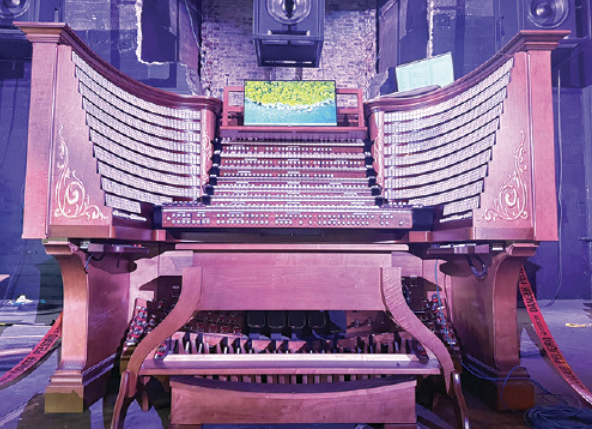
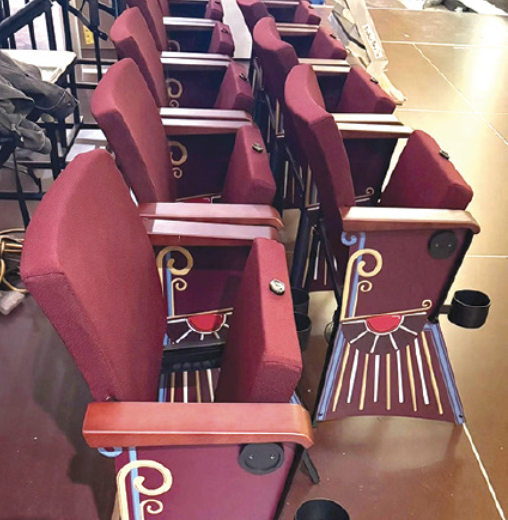
The landmark that is the Castro Theatre is bound to influence street traffic up and down Market and Castro streets for blocks as films and other entertainment draw crowds from around the city. Imagine the optimism that has begun to emerge in San Francisco taking hold in our Castro neighborhood and confirming it as the international mecca for the LGBTQ+ community into the next generation. Ladies and gentlemen, the Grande Dame has returned!
Donna Sachet, known as “The First Lady of the Castro” after that moniker was bestowed on her by statesman Mark Leno, is a celebrated performer, fundraiser, activist, and philanthropist who has dedicated over two decades to the LGBTQ community in San Francisco. Contact her at empsachet@gmail.com










Recent Comments