








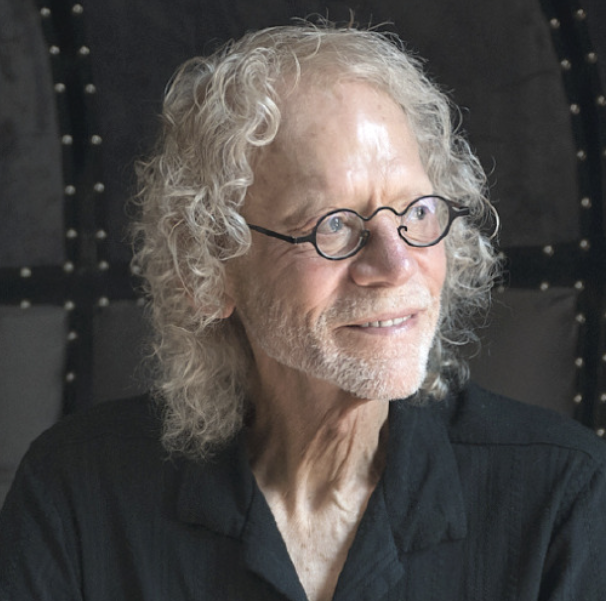
By Tom LeNoble—
Roberto Ordeñana is the Executive Director of The GLBT Historical Society. For 25 years, his career has focused on strengthening local LGBTQ communities at the intersection of equity, economic opportunity, health, well-being and culture. In the late 1990s, he worked at the STOP AIDS Project, developing nationally recognized HIV prevention programs and community organizing projects with Latinx gay, bisexual, and trans youth.
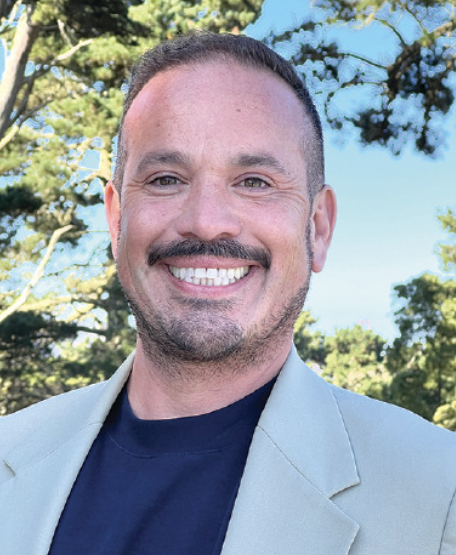
Most recently, Roberto worked at the San Francisco LGBT Center, where he built direct service, arts, and cultural programs while strengthening organizational capacity and long-term sustainability. He held several leadership positions, including director of community programs, director of development and marketing, and deputy executive director.
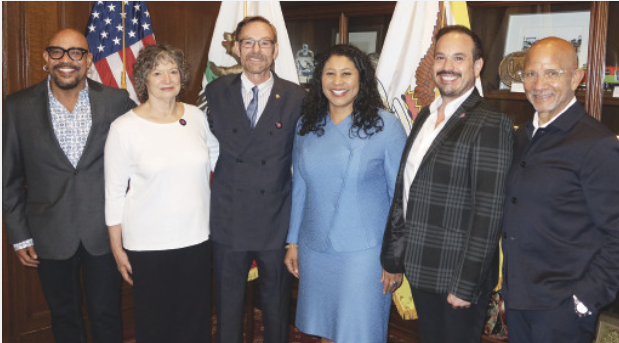
Roberto has also served on San Francisco community boards and city commissions, including Bay Area Young Positives, the LGBTQ+ Advisory Committee of the San Francisco Human Rights Commission, and the San Francisco Arts Commission, where he served as president from 2019 to 2022.
Tom LeNoble: What first opened your eyes to the issues that your organization works on?
Roberto Ordeñana: My earliest moments of understanding the history of our community, and also the moment our community was facing, really made me say, hey, I should be a part of this in a different way than I thought about it. I saw the life of Pedro Zamora, who was a cast member on MTV’s The Real World.
He was the first out, gay, Latino, HIV-positive man whom I had ever seen on television. And his story of living with HIV, of getting involved in community organizing at the Stop AIDS Project, which is an actual organization that I ended up working at for several years after, was incredibly inspiring and sad.
And while it was sad, it was an incredible moment for me to understand our community is facing not only this, but also other challenges, and I wanted to be a part of finding a solution.
Tom LeNoble: Who modeled generosity for you when you were young?
Roberto Ordeñana: It was the community of people raising me. I had an incredible, loving mom and dad and also had grandparents and aunts and uncles and cousins all around me.
My dad is incredibly generous. He and my mom separately immigrated from Central America. They landed in San Francisco in the 1960s with a big family and had to figure out how to put food on the table and create a life that was better than what they had.
He was a hard worker and ran several businesses, and, through all of that, I would always see him give what he had to people in need around him, whether it was another family member who was struggling financially or a person who came into the travel agency they owned who was having a bad day. He would cheer them up with jokes, lunch, or coffee. Just always going that extra mile.
At 88, he continues to be that person for my mother, who’s struggling with dementia right now, as he shows up for her in incredibly generous ways.
Tom LeNoble: Before you were an executive director, what shaped your sense of caring for others?
Roberto Ordeñana: My family and friends. I grew up in San Francisco, and we all think that San Francisco is the most welcoming place on earth for LGBTQ people, and it’s not.
It has its moments, but particularly in the 1990s, as I was maturing, it was hard. Growing up in Catholic school from kindergarten through high school, I experienced a lot of bullying. Bullying that I didn’t even understand, because I hadn’t even come out to myself as gay.
I think that led me to find friends who deeply cared about one another and deeply created community with one another. I got involved in theater. I got involved with the Stop AIDS Project as a volunteer and intern. I was about 19 and starting to really understand the power of community and community building.
Tom LeNoble: When you hear the word philanthropy, what does it mean to you personally?
Roberto Ordeñana: For me, it’s about sharing what I have, whether that’s time or talent or treasure, for the benefit of our communities and in creating a better world around us.
To me, it’s not about valuing a certain level of gift. It’s about: how do we value all gifts? [That includes] every act of contribution, whether that’s about volunteering, advocacy and advocating for others, giving financially, or helping others understand the power of giving. All of that is philanthropy to me.
There’s no one single right way or wrong way to be a part of that. There are many ways in which we can be philanthropic, and we all have a role to play in that.
Tom LeNoble: What keeps your optimism alive when this work becomes difficult?
Roberto Ordeñana: In some ways, it’s about problem solving. About allowing myself to say, you know what? I may not have the answer to this right now, but I know that somehow this can get worked out.
There are moments where I’m like, yeah, this is going to be tough. But I just keep coming back to, okay, how can we figure this out? How can we move through this? How can this be better than what it is right now?
I’ve been very lucky that I’ve had a biological family and a found family that value joy and laughter and camaraderie. I think that helps a lot.
Tom LeNoble: Reflect on a moment when you knew that your organization was making a difference.
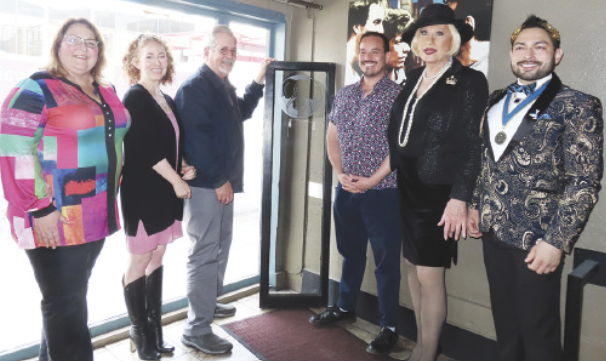
Roberto Ordeñana: There was this young person who came through the archives about two years ago, and they wanted to better understand what we’re preserving in terms of the materials that were Sylvester’s, the performer.
We get to preserve and exhibit Sylvester’s costumes and some other material about their life. What we do is connect students, educators, researchers, and artists with priceless historical artifacts and materials to help community members understand the history.
This person was under 24 years old and came in to engage with the Sylvester Collection. They picked up a costume and looked at it. And, as a young Black non-binary person, they had this sense of joy on their face because they were able to see themselves reflected in queer and trans history.
That, to me, was a moment where I was like, yep, we’re doing it. People need to feel reflected in their history. People need to understand where we came from so that we can build a better future.
Tom LeNoble: What have you learned about leadership through service?
Roberto Ordeñana: The most important thing that I have learned is that leadership requires strong partnership. And it requires the ability to create and sustain relationships with individuals, groups, and institutions that want to also change the world for the better.
There is not one way of leading. But the most important way to lead is by doing it with others and not thinking that you alone can carry all of it.
I’ve been fortunate enough to work with incredible leaders who came before me who offered their mentorship, guidance, and honesty. I think partnership and relationship building is not just about the good times. It’s also about calling each other in and giving each other feedback, supporting each other in our growth, and having difficult conversations.
Tom LeNoble: If someone wanted to begin developing a philanthropic mindset, what would be the first small step they could take?
Roberto Ordeñana: Talk to other folks who are contributing their time, their talent, their financial support, to better understand how they go about their giving, advocacy and engagement. Tap into the change that you want to see in the world and match that up to whatever cause is out there that needs support. Talk to the people in your network. Get curious about how you may be able to support the work that’s out there. Don’t get too hung up on figuring out what you need to do to make the change. There are solutions that are baked and ready to go out there, and they need the support of people and families to do that work.
Tom LeNoble: Now a little fun. What would surprise people most about you outside of this work?
Roberto Ordeñana: That I was a musical theater nerd in high school.
Tom LeNoble: If you had an unexpected day off in San Francisco, where would you go?
Roberto Ordeñana: I would go to the beach. I love the sun, I love the water, I love the sand, even if it’s freezing cold. Just being at the beach is very calming for me and very centering for me. I also love to take in views. I’ll walk up to the top of Dolores Park and just take in the city view. That also makes me feel very grounded and makes me feel like a bird, that I could just kind of take off in flight and deal with anything in front of me.
Tom LeNoble is an international speaker, confidential advisor, and resilience strategist who works with leaders navigating meaningful inflection points in life and leadership. He has held senior leadership roles at MCI, Walmart.com, Palm, and Facebook, and high growth startups. He is the author of the award-winning memoir “My Life in Business Suits, Hospital Gowns, and High Heels.” Through speaking, coaching, and writing, he explores resilience, leadership, and the choices that shape how we show up for others and for the communities we serve.
The Philanthropic Mindset
Published on September 24, 2026








Recent Comments