






By Jan Wahl—
Recently we wrote about credits in movies and what they actually mean. From the Gaffer (lighting) to the Best Boy (electrical), we were glad to celebrate a book called The Film Crew of Hollywood by James Udel. Let’s dive deeper into movie credits.
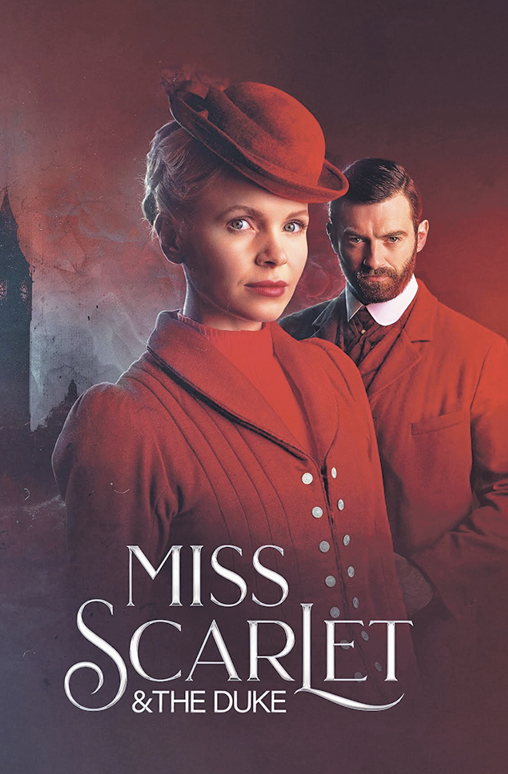
This is the first time in Oscar history that a category was developed for casting. A casting credit identifies the person or the team responsible for finding and selecting the actors who play a role in a film. The Casting Director can play a significant part in the success or failure of a movie or TV show. This position is one of the backbones of the industry and among the most challenging. It is really difficult work to sift through hundreds of résumés looking for just the right person to match the part. When casting gets it wrong, it can ruin the picture. For example, Miss Scarlet and The Duke follows a pioneering female private detective in Victorian London. Actress Kate Phillips is so wimpy that she is more like Sandra Dee than a tough crime fighter. Sometimes being beautiful is just not enough.
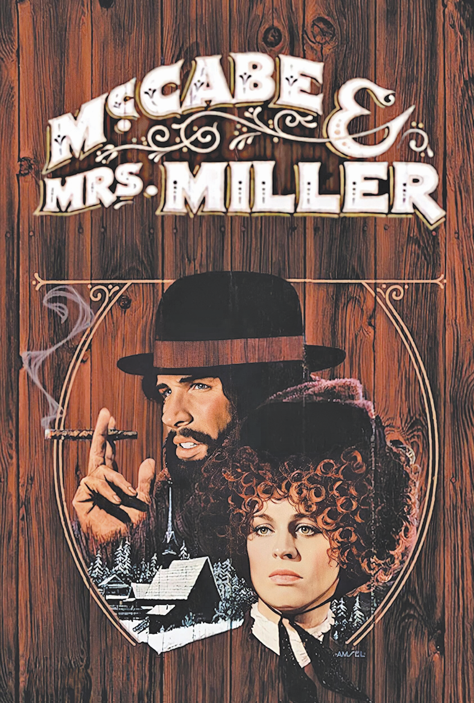
An example of perfect casting is McCabe & Mrs. Miller (1971). This brilliant Robert Altman film depicts a ramshackle town in the middle of nowhere where Warren Beatty is trying to monetize a whorehouse. The prostitutes are not Miss Kitty from Gunsmoke, but beat-up, tough dames who look the part.
A Set Designer in a movie or TV credit is the person who creates the technical drawings, blueprints, and physical models used to build the film sets. This person takes the Production Designer’s visual concepts and turns them into three dimensional structures. This is considered one of the hardest jobs in movies because it requires balancing intense physical and logistical demands. Sketching ideas on paper and then building small 3D models is just part of the challenge. Set designers also draw storyboards and show them to the Production Designer, who works with the Director. Hitchcock used to love this process, so everything was laid out visually from Rear Window to Strangers on a Train (my favorite Hitchcock film, and it is very homoerotic).
What would Lawrence of Arabia be without miles of hot sand, or The Birdcage without the glitzy Miami Beach nightclub? These classics evidence the importance of the underrated Location Director, a specialized role managing places for the storytelling. They travel the world taking photographs, taking detailed notes, and starting discussions with location owners to work out costs.
Film credits are a subject as endless as film history itself and remind that it takes a village to make something wonderful.
Jan Wahl is a Hollywood historian and film critic on various broadcast outlets. She has two Emmys and many awards for her longtime work on behalf of film buffs and the LGBTQ community.
Off the Wahl
Published on October 8, 2026










Recent Comments