




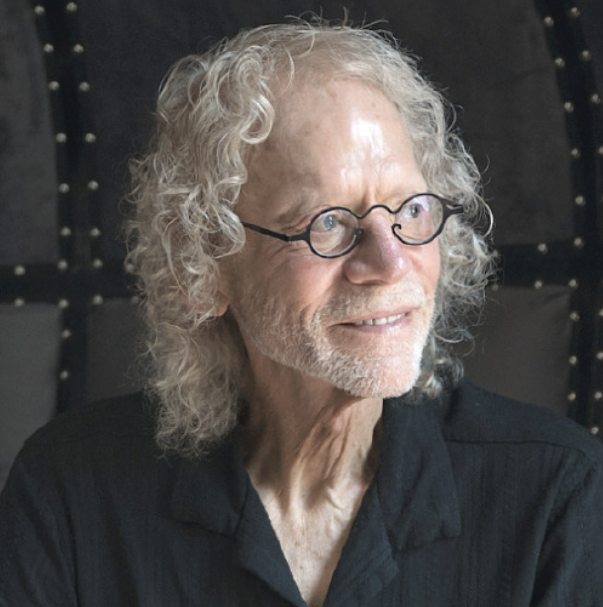
By Tim LeNoble—
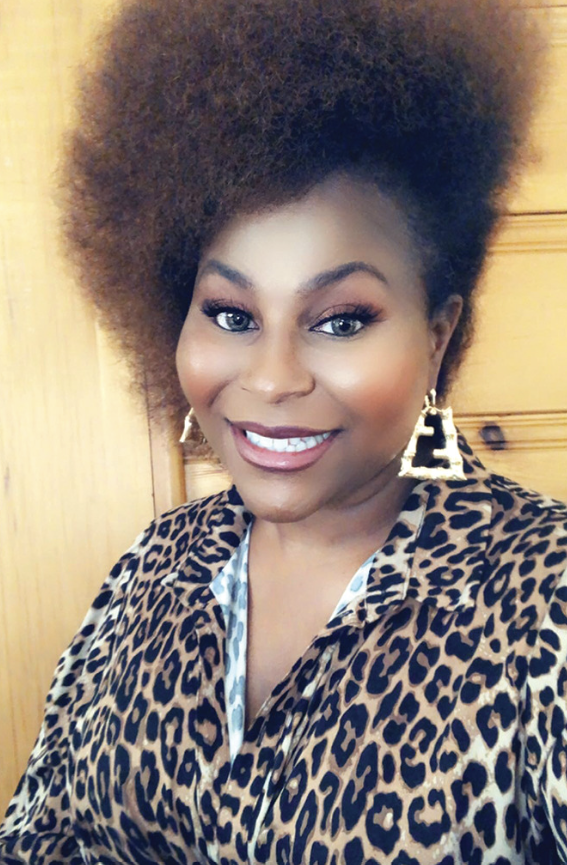
Breonna McCree is a longtime advocate for transgender empowerment, health equity, and social justice. She currently serves as Co-Executive Director of San Francisco’s Transgender District, the first legally recognized transgender district in the world, where she focuses on economic empowerment, community stabilization, historic preservation, and creating safe community spaces. Previously, McCree served as Director of Community Engagement at UCSF’s Center of Excellence for Transgender Health and worked with organizations including HealthRIGHT 360 and the Public Health Institute. In 2023, San Francisco Pride honored her as a Grand Marshal, recognizing more than two decades of advocacy, leadership, and service to transgender communities.
Tom LeNoble: What first opened your eyes to the issues your organization works on?
Breonna McCree: What first opened my eyes to trans issues was being a child, being different, and knowing that I was trans early on. I had to become an actress at an early age to hide who I actually was. People were telling me that it was bad and not acceptable. I had to learn how to lie about who I was to keep me safe. I understand this trans experience in a very foundational way.
Tom LeNoble: Was there a specific moment you realized that the work you’re doing would become part of your life?
Breonna McCree: I kind of fell into this work. Being a kid on the streets, leaving home at an early age, and then someone seeing me and saying that they saw something more in me. Her name was Doris Robinson. She works for an organization called the Brothers Network in San Francisco. She took me off the streets, made me come live with her, and after working all night she would make me get up in the morning and go to work with her at the Brothers Network to make condom packets and learn how to be an outreach worker. That is when I saw how I can make a difference because someone made a difference in my life.
Tom LeNoble: Before you became an executive director, what shaped your sense of caring for others?
Breonna McCree: I am still friends with folks from elementary school and listening to my girlfriends from then when they say that this is who I always was. I always would fight for the underdog. Even if I got beat up, I would always try to organize people when I saw some injustice happening. I would be the one to always be the bigger person, even in a situation that had nothing to do with me.
Tom LeNoble: When you hear the word philanthropy, what does it mean to you personally?
Breonna McCree: Two things come to mind. Hidden resources. And not enough of it. To me, folks in the philanthropic space have bigger shoes to fill. They have a chance to see what is coming on the horizon. We just had this big wave of trans funding being pulled back from this executive administration, and then also the local administrations, especially in San Francisco, rescinding a lot of grants. In that moment, we looked for our philanthropic partners to step in and fill in the gaps. But they sat back and looked instead of putting out the fires and planting seeds for the future. To me, philanthropy should be more transparent in what they’re going through and how they can continue to support grassroots organizations.
Tom LeNoble: What keeps your optimism alive when the work becomes difficult?
Breonna McCree: That’s what I’m struggling with right now. I have seen a lack of investment in communities in San Francisco. I have seen a lack of diversity, especially when it comes to Black people, dark-skinned, Brown people in San Francisco. And I think that is by design. Finances are really tight for a lot of people, and that causes them to kind of just keep their head down and move forward. I don’t see any optimism or fight in San Francisco anymore. It feels like those people have been displaced and moved out.
Tom LeNoble: Can you share a moment that reminded you that your organization is truly making a difference?
Breonna McCree: When I came to the district it had a few core pillars, which were rent stabilization, entrepreneurship accelerator, and arts and culture. I got to witness and be a part of trans and non-binary people creating business plans through our Entrepreneurship Accelerator program and becoming new business owners and leaders in San Francisco. Some of those businesses are still open and working with the district and other community partners today. Those types of things give me hope for San Franciscans, especially trans and non-binary San Franciscans.
Tom LeNoble: What is something about your organization and the work you do that most people misunderstand?
Breonna McCree: I think that people don’t understand that the Transgender District is not direct service. The Transgender District is one of, I believe, 11 cultural districts in San Francisco that are designed to uphold the history and culture of San Francisco, (in this case) concerning trans and non-binary people. We are not a direct service organization.
Tom LeNoble: What is unique about doing the work you’re doing in San Francisco?
Breonna McCree: Being a cultural district in San Francisco is the uniqueness. In other cities, we don’t see a lot of organizations that have been tasked to champion the rich history and culture of a city. In San Francisco, as the Transgender District, with one of the first uprisings in trans and queer history, which is the Compton’s Cafeteria Riot, we work with other community organizations to continue to uncover, highlight, and amplify that history.
Tom LeNoble: What gives you hope about this community?
Breonna McCree: I always have said that trans people have the openness to opt in and out of transness as they see fit. I know most people want to transition and blend into hetero society because of safety, opportunity, love, support, whatever it may be.
It gives me hope that people are able to go out as their authentic self and do whatever they want in life. Be whoever they want in life and be as successful as they want. On the other side of that, as someone who works in community, that means we lose people to heteronormative society. Either they come back at a later age or a later stage and want to get involved, or they just don’t come back at all. I understand both sides of that coin.
Tom LeNoble: How has this work changed you personally?
Breonna McCree: It has made me jaded. It’s a double-edged sword. This work is beautiful in a way that you get to reach and work with people in a way that I never thought that I would be able to. You get to plant seeds in other people’s lives and watch them grow from a distance. But you also get to see, like in The Wizard of Oz where Dorothy sees behind the curtain, the manipulation and the horrors of what community has to go through just to be visible, just to be seen, and just to meet their necessary needs.
Tom LeNoble: If you could give one piece of advice to someone who wants to make a difference, what would it be?
Breonna McCree: I would say, go to school because education is key. My upbringing was very tumultuous. I have severe dyslexia. So that means I have to work five times harder to get the job done than the next person. I was born in the 1970s, and they didn’t have programs and support to help someone that they do now. When I meet people and see that they have those learning disabilities, I connect them to services immediately.
I don’t think that nonprofit work is your end all, be all. Go to school. I met a young woman who had severe dyslexia and anxiety, and right now she is in her third year of nursing school. This is why I continue to do this work.
Tom LeNoble: What would surprise people most to know about Breonna outside of this work?
Breonna McCree: That I am a complete introvert. I find it difficult to talk to people, not to relate to people, but just to hold conversations with people because I’m such an introvert. Because of this job and other positions that I’ve held, I’ve had to pretend to be an ambivert and be outgoing, and it is difficult. If I have to be visible all day. I need four days to just kind of recuperate and not see anyone and talk to anyone. I think that’s why my relationship failed, to be completely honest, because I would come home and not want to talk. My partner would be like, “Why are you so quiet? Why are you always quiet?” I just want to be alone.
Before he left, he was like, “You need a dog.” And I was like, “You know I’m allergic.”
Tom LeNoble: If I gave you an unexpected free day in San Francisco, where would you go?
Breonna McCree: I would start at the de Young Museum. I would spend as much time as I could and see all the exhibits.
Then I would go over to the Academy of Sciences. I would just be a kid full of wonder and curiosity all day and not have to figure things out.
Tom LeNoble is an international speaker, confidential advisor, and resilience strategist who works with leaders navigating meaningful inflection points in life and leadership. He has held senior leadership roles at MCI, Walmart.com, Palm, and Facebook, and high growth startups. He is the author of the award-winning memoir “My Life in Business Suits, Hospital Gowns, and High Heels.” Through speaking, coaching, and writing, he explores resilience, leadership, and the choices that shape how we show up for others and for the communities we serve.
The Philanthropic Mindset
Published on October 22, 2026








Recent Comments