




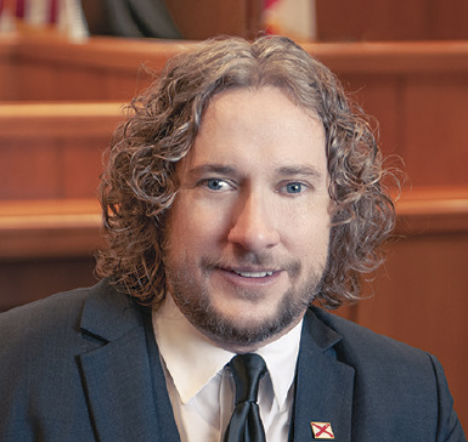
By Jay Greene, Esq., CPA—
Most planning mistakes are silent. They do not knock, and they do not send a letter.
A document sits in a drawer looking finished. Meanwhile, a beneficiary form quietly contradicts it, or a trust stays unfunded.
The cost shows up later. It arrives as court time, family conflict, and assets going to the wrong people.
What changed this year?
Two things affecting such documents changed this year, and both took effect on January 1, 2026. The federal estate and gift tax exemption rose to $15 million per person, or $30 million for a married couple, and it was made permanent at that level.
At the same time, California brought back Medi-Cal asset limits for older adults—$130,000 for one person and $195,000 for a couple in the non-MAGI programs, including long-term care. Households verify assets at their first renewal in 2026, and transfer penalties apply again.
Neither change edits your documents for you. That is the point of a review.
Which mistake costs families the most?
The answer is outdated beneficiary designations. In California, the beneficiary form on a retirement account or life insurance policy generally overrides the will.
The form controls the asset, not the will and not the trust. If that form still names an ex-spouse or someone who has passed, the money goes where the form says, even when everything else in the plan says otherwise.
Why is an unfunded trust a problem?
A living trust only controls the assets titled in its name. If the deed and the accounts were never retitled, the trust is signed but empty—a beautiful binder with nothing inside.
Those assets can still pass through probate, the very process the trust was meant to avoid. This one is painful because the family believes the job is done: they paid for the trust, they signed it, and they filed it, but the deed still carries the owner’s name.
Can a plan be out of date without anything changing at home?
Yes, and 2026 is the year it happens. Many trusts written before 2018 contain a formula that moves “the maximum amount free of federal estate tax” into a bypass trust when the first spouse dies. Those clauses were drafted when the exemption was a fraction of today’s. At $15 million, that same sentence can sweep an entire estate into an irrevocable trust the surviving spouse never expected.
When should a plan be reviewed?
California guidance recommends reviewing estate planning documents every three to five years, and sooner after a major life change. That includes marriage, divorce, a new child, a death, a move, or a chosen family that grows—and it includes a year when the law moves.
What happens if there is no plan at all?
The most expensive mistake is the plan never made. Without documents, California’s default rules decide who gets what, and your family has no voice in it.
They may also face probate, where the fee is set by statute rather than by choice. It is calculated on the gross value of the estate, before the mortgage, and both the attorney and the personal representative are entitled to it.
None of these mistakes is a character flaw. They are what happens when a plan is treated as a one-time task instead of a living document.
What steps can you take now?
1. Review your will, trust, powers of attorney, and health care documents together.
2. Confirm that real estate and major accounts are titled correctly.
3. Update beneficiary designations after major life changes.
A single review finds the outdated form, funds the trust, and fixes the names. One afternoon now beats a year of court later.
Contact Greene Law Firm, P.C. today. Call 415-905-0215 or email info@greenelawfirm.com for a free initial assessment. Flexible meeting options are available for Bay Area clients.
Statements in Compliance with California Rules of Professional Conduct.
The materials in this article are for educational purposes only and are not legal advice, and they are not a guarantee or prediction regarding the outcome of any legal matter. Consult an estate planning attorney for personalized guidance.
Attorney Jay Patrick Greene, Esq., CPA, founded Greene Law Firm, P.C. of San Francisco, which is licensed in California, Alabama, and Florida. He has over 15 years of experience concerning wills, trusts, probate, elder law, and asset protection. For more information, visit:
https://assetprotectionbayarea.com
Trust Essentials
Published on September 24, 2026









Recent Comments