




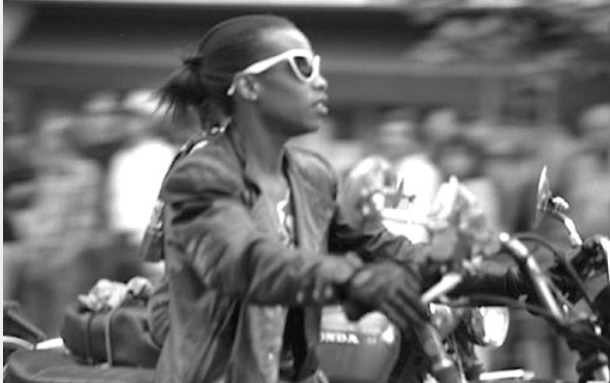
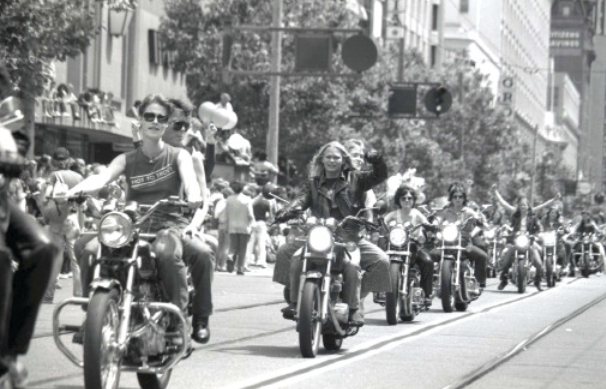
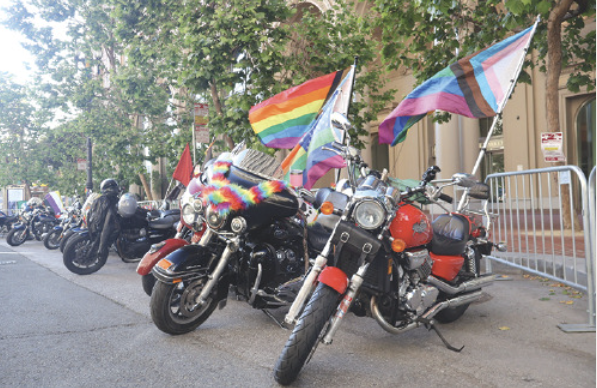
1976: A group of 20 to 25 women motorcyclists moved their bikes to the start of the San Francisco Gay Freedom Day March, now the Pride Parade. That moment became the beginning of what would become known worldwide as Dykes on Bikes®.
Middle to Late 1980s: As San Francisco Pride became more structured and the number of riders grew, the group formally organized as the Women’s Motorcycle Contingent (WMC) to manage parade logistics. In the press and in LGBTQ+ culture, they continued to be known as Dykes on Bikes®.
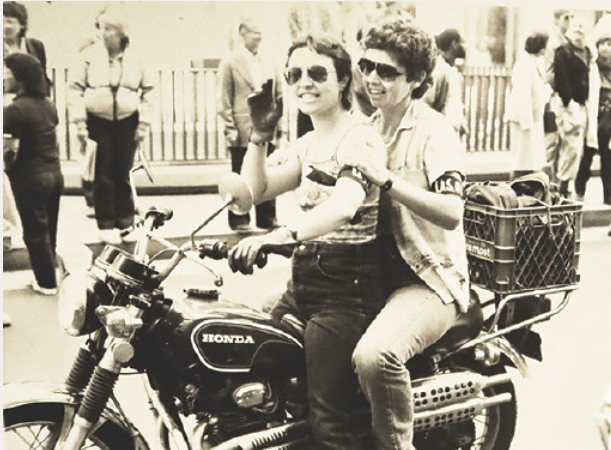
2003: The organizers voted to recognize the group’s long history by changing the name to the San Francisco Dykes on Bikes® Women’s Motorcycle Contingent (SFDOBWMC) and they filed an application with the United States Patent Trademark Office (USPTO) for DYKES ON BIKES. This began what would be a 13-year battle, spearheaded through the pro-bono legal leadership of Brooke Oliver (then of 50 Balmy Law, P.C., now at Procopio, Cory, Hargreaves & Savith LLP) to secure the wordmark DYKES ON BIKES and later the group’s logo to ensure each was preserved for nonprofit use in the LGBTQ+ community.
2004: The USPTO rejected the application on the grounds that “dyke” was disparaging to lesbians.
2005: San Francisco Dykes on Bikes® submitted declarations from more than two dozen expert witnesses arguing that “dyke” was not disparaging, but instead had become a self-referential term of pride and empowerment.
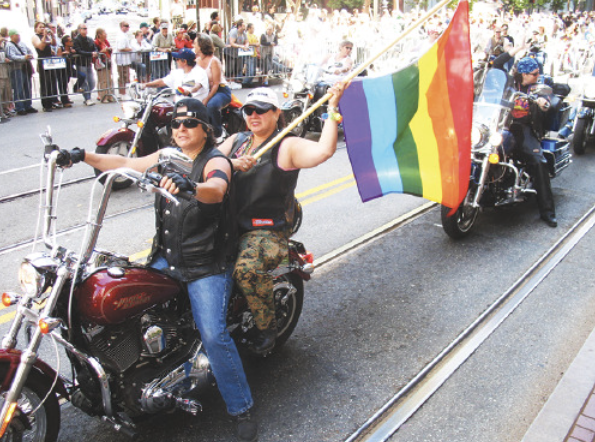
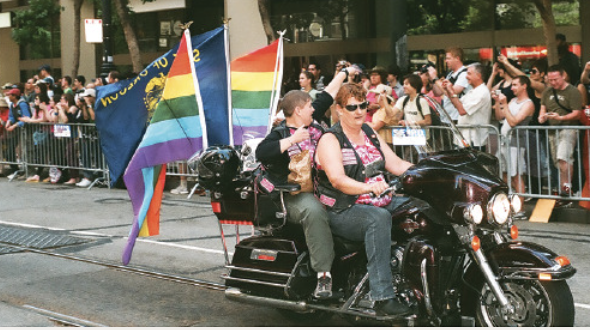
2007: Dykes on Bikes® was finally registered with the USPTO after years of litigation spearheaded by Brooke Oliver, and additional pro bono support from Shannon Minter of the National Center for LGBTQ Rights (NCLR) and Greg Gilcrest, then of Townsend and Townsend and Crew LLP, and a trip to the United States Supreme Court.
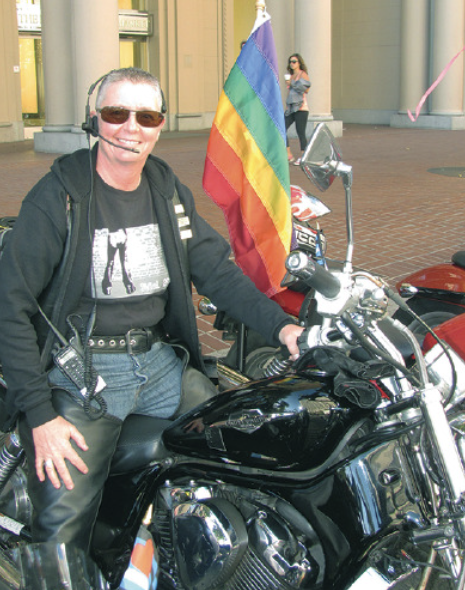
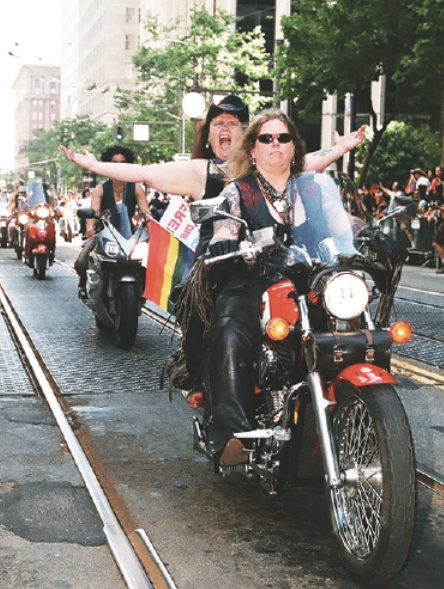
2015: The group later applied to register its logo, and the USPTO again denied registration on the grounds that the word “dyke” was disparaging.
2016: Under a pro-bono team again led by Brooke Oliver and including Shannon Minter from NCLR, Tobias Barrington Wolff, Michael Feldman, and Marke Lemley, the DOB filed an Amicus Brief in the U.S. Supreme Court case of Matal vs Tam, arguing that DOB has heightened protection for political speak under the First Amendment, including the self-referential term “dyke.”
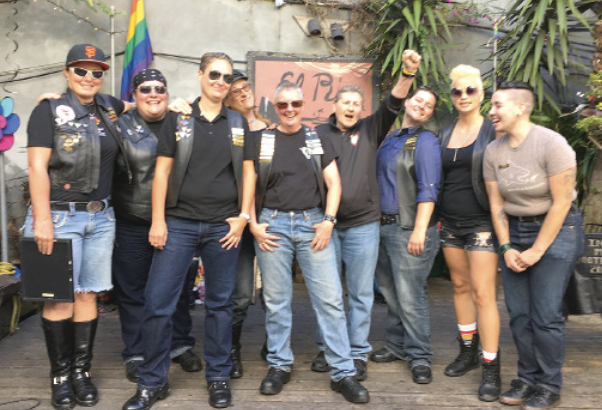
2017: In a unanimous decision in Matal vs Tam, the U.S. Supreme Court held that it is unconstitutional for the USPTO to deny trademark registration based on allegedly disparaging language, striking down part of the Lanham Act.
2018: San Francisco Dykes on Bikes® mourned the passing of Soni S.H.S. Wolf, a founding member, longtime Secretary, and central figure in the movement’s history.
2026: Known widely for her critical work supporting artists, nonprofits, and social justice movements, Dykes on Bikes® General Counsel, Brooke Oliver, was recognized as a top global trademark attorney, and named to the World Trademark Review 1000 list for 2026. In the same timeframe, NCLR’s legal director Shannon Minter was recognized by TIME magazine as one of the Top 100 Most Influential People of 2026.
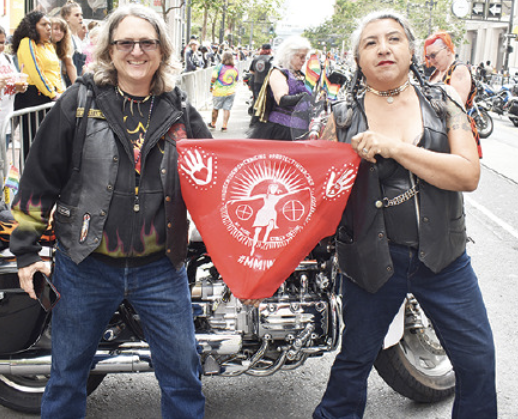
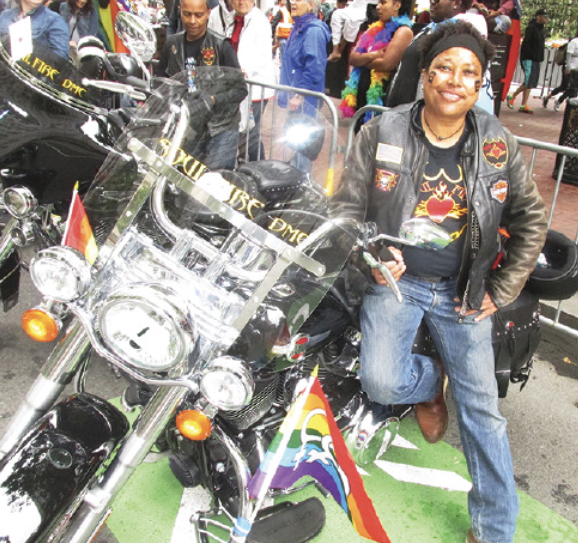
Today: With a national and international network, San Francisco is the mother chapter for Dykes on Bikes® chapters across the United States, Canada, the United Kingdom, Germany, Finland, Iceland, and Australia.
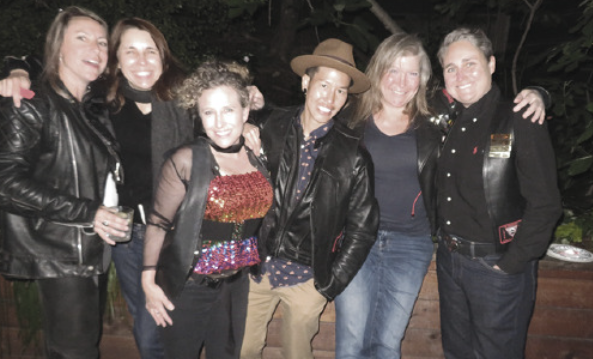
Kate Brown, Ph.D., is the President of the San Francisco Dykes on Bikes® Women’s Motorcycle Contingent.
50th Anniversary of Dykes on Bikes®
Published on April 23, 2026






Recent Comments