







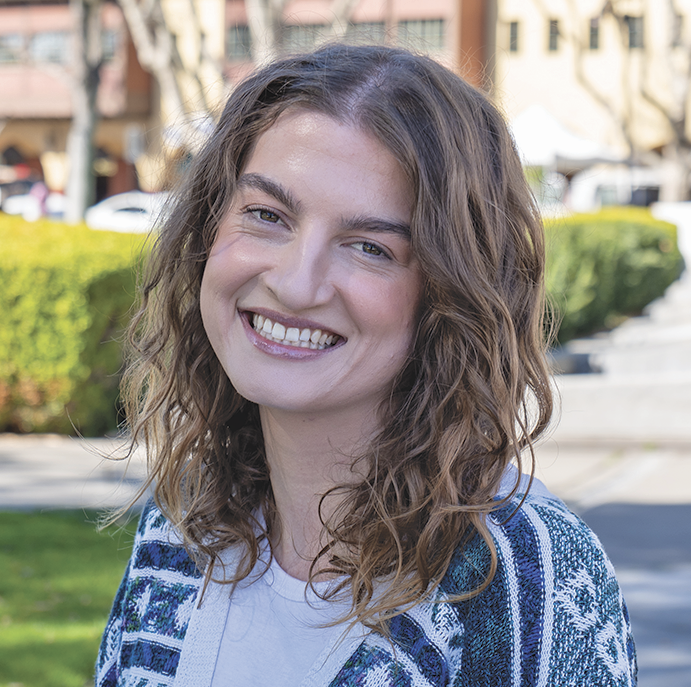
By Johanna Klaiman—
“The coldest winter I ever spent was a summer in San Francisco.”
Whether Mark Twain actually said it is another matter, but the line has become shorthand for the city’s famously fickle summers.
Fog lingers. The wind refuses to quit. Sunshine peeks through dense clouds in brief, glorious stretches. And yet, somehow, summer always finds a way.
Summer in San Francisco isn’t measured by the temperature. It’s measured by the foot traffic in Dolores Park, the timbre of human voices bouncing down Castro Street, and the parade of colorful produce arriving at the Castro Farmers’ Market.
While the stone fruit at the market is delectable and the berries are incredibly juicy, it’s the arrival of melons that signal the true spirit of summer. Their sweet fragrance drifts through the market before they’re ever sliced open, evoking warm summer days even when San Francisco’s weather has other plans.
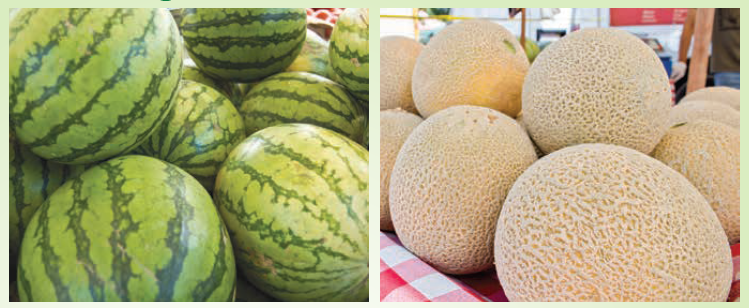
Of the many melons arriving at Bay Area farmers markets this summer, cantaloupes are proving to be the stars. Fifth Crow Farm expects to bring their harvest to the Castro by late July or early August. What many shoppers don’t realize, though, is that “cantaloupe” isn’t a single melon at all. It’s a family of varieties, each with its own flavor, texture, and personality. But every one of them requires patience.
That patience proves itself during harvest season. Waiting until melons are ripe is usually a process of around ninety days from germination to harvest. For Javier Resendiz of Resendiz Farms, that means cutting at least ten melons to assess their skin, structure, and smell before deciding whether they’re ready for market. This year, that ninety-day journey was interrupted by swings between intense heat, cold snaps, and heavy rainfall. “The plants get stressed,” Resendiz explains. “They stop growing until the weather is established.”
Javier’s experience growing inland echoes what Teresa Kurtak of Fifth Crow Farm sees on the cool coast of Pescadero. Her farm has spent years working with and against the cold front Mark Twain so famously referenced.
“We’ve done a lot of trials over the years, and, in our cool climate, we’re not really an optimal growing climate. Melons love heat,” Kurtak says.
Climate shapes how melons grow. Harvest timing shapes how they taste. Because melons destined for grocery stores often need to withstand transportation and days in storage, they’re typically harvested before they’re fully ripe. You can spot the difference. A vine-ripened melon will usually have a small divot where it naturally separated from the plant. One harvested early often still bears part of the stem.
Every farm has its specialties, shaped by climate, soil, and experience. But a melon’s journey doesn’t end in the field. Farmers also choose which varieties to bring based on the communities they serve.
Resendiz grows several varieties of cantaloupe, including Sugar Rush, Arangina, and Sugar Cube, selecting which to bring based on the preferences of each market.
“We understand that each market is different. Some people like a bigger size, smaller size, or medium size. And that’s why we plan for different kinds of markets. At some markets, like in San Francisco, they don’t want a big melon, so we have to find a medium size or personal size variety for them.”
That’s one of the quiet joys of shopping at a farmers’ market. Instead of comparing labels under fluorescent lights, shoppers can simply ask the person who grew the fruit. Rather than searching for one universally “best” melon, both farmers encourage shoppers to trust the experts standing behind the table.
“I would ask your farmer what they think is the best-tasting melon they grow,” Kurtak says.
It’s advice that reflects the trust and camaraderie that define the farmers’ market, along with the shared goal of helping shoppers bring home the very best produce.
Whether they’re tucked into a tote bag, nestled in a basket, or simply carried home by hand, melons are only part of what people take away from the Castro Farmers’ Market.
“Our staff love working that market,” Kurtak says with a smile. “Friendly customers, the community itself … . It’s a fun market.”
San Francisco may never feel like the postcard version of summer. But, even when the fog rolls in before sunset and you need to reach for a sweater, one bite into a cantaloupe from the Castro Farmers’ Market makes a convincing argument that summer was here all along.
Johanna Klaiman is the Social Media Specialist at the Pacific Coast Farmers’ Market Association. For information about the Castro Farmers’ Market, other local farmers’ markets, recipes, and more, visit https://bit.ly/4w2hI8J
Farmer’s Market Finds
Published on July 16, 2026













Recent Comments