










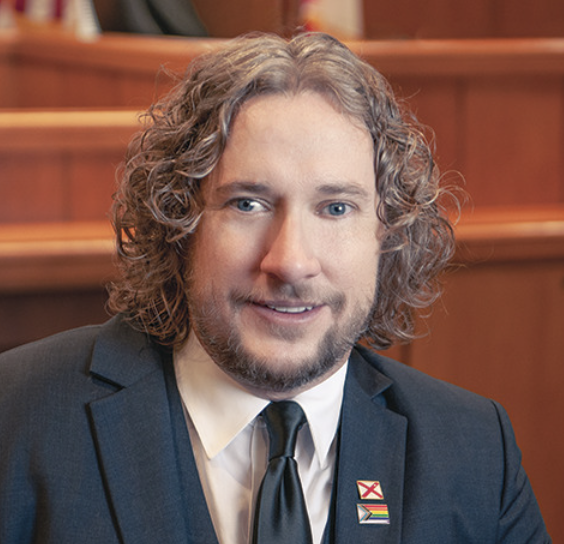
By Jay Greene, Esq., CPA—
The end of the year is when many of us take stock of where things stand in terms of financial and legal matters, and more. Some people still have no estate plan in place. Others have one that no longer fits.
What happens if you don’t have an estate plan yet?
California law decides for you, and your family may need a judge’s permission to act.
Without a will or trust, state law decides who inherits. A partner you are not married to, or who is not registered with the state as a domestic partner, gets nothing under these rules. Your family may also have to go through probate, a court process that can take many months and cost money. If you get sick and can’t make decisions, your family may need a court’s approval to help you.
A basic plan avoids most of this. It usually includes a living trust, a will, and forms naming who can make money and medical decisions for you.
Is your estate plan out of date?
If your life has changed since you signed your estate plan, the plan is probably out of date.
Marriage, divorce, a death, a move, a new home or a new child can all change what your plan should say; so can the people you picked to step in for you. Two problems are common. Homes slip out of trusts after a refinance or a new purchase. Beneficiary forms for retirement accounts and life insurance may still name an ex-spouse, or no backup. Those forms usually decide who gets the account, even if your will says something else. Checking is simple. Look at your deed, one account statement, and each beneficiary form. If something doesn’t match your wishes, it can usually be fixed.
Do you need to protect what you own from future claims?
If you own a business, rental property or significant savings, it’s worth asking before any problem starts.
Asset protection means arranging what you own so a future lawsuit or creditor has a harder time reaching it. It is legal and fully reported, and not a way to hide money. California does not shield money you put in a trust for your own benefit from your own creditors. Some people use a trust in another state that allows it, but California courts may not honor it. Others use a trust in another country. That can offer more distance, but it adds tax reporting and cost. Timing matters most. A court can undo transfers made after a claim or lawsuit begins. Good insurance and the right business setup usually come first, and planning works best when nothing is wrong.
What steps can you take now?
Start with the step that fits you.
If you don’t have a plan, write down what you own and who you would want to make decisions for you. That list is the start of an Estate Plan. If you already have a plan, check your deed, one account statement, and every beneficiary form. Make sure each one matches your wishes today. If you worry about future claims, list what you own and the risks your work or property creates. Then talk with a lawyer before anything goes wrong.
How does Thanksgiving Trust Week work?
Our San Francisco office is offering California clients 25% off an estate plan with a living trust. It applies when you sign your agreement to hire us Thursday, November 26, through Sunday, November 29, 2026. Missed the weekend? You can still get 10% off when you sign Monday, November 30, or Tuesday, December 1.
The discount comes off our standard fee. You will see your plan and your fee in writing before you sign. Court fees and other outside costs are extra. The offer applies only to new plans, can’t be combined with other offers, and does not cover asset protection trusts. We meet by phone, by video, or in person in San Francisco, by appointment.
Contact Greene Law Firm, P.C. today. Call 415-905-0215, book online (https://www.greenelawfirm.com/) or email info@greenelawfirm.com to schedule
a consultation.
Statements in Compliance with California Rules of Professional Conduct The materials in this article are for educational purposes only and are not legal advice, and they are not a guarantee or prediction regarding the outcome of any legal matter. They do not create an attorney-client relationship. Consult an estate planning attorney for personalized guidance.
Attorney Jay Greene, Esq., founded Greene Law Firm, P.C., an asset protection law firm with offices by appointment in San Francisco (447 Sutter Street, Suite 435), Birmingham, and Doral (Miami-Dade). He is licensed in California, Alabama, and Florida, and has practiced law since 2008. For more information, visit: https://www.greenelawfirm.com
Trust Essentials
Published on November 19, 2026
















Recent Comments