









By Martin Rawlings-Fein—
San Francisco politics has an acronym for everything. Sometimes I think learning the acronyms takes longer than deciding whom to vote for.
For our first installment, let’s tackle one you may have seen on a ballot, heard at a political meeting, or politely nodded through: the DCCC.
That stands for Democratic County Central Committee, usually pronounced “D-triple-C.” It is the governing body of the San Francisco Democratic Party. Its work includes endorsing candidates and ballot measures, registering voters, and organizing people to turn out for elections.
The name sounds like something you could safely leave to people with strong opinions about parliamentary procedure. Stay with me.
Why does it matter?
Imagine looking at your ballot. You recognize a few names, but there are also school board candidates, judges, and enough propositions to make you consider putting everything down and making lunch.
Then you see a candidate advertised as “endorsed by the San Francisco Democratic Party.”
That endorsement comes from the DCCC. You read that as “D-triple-C,” didn’t you? Committee members considered the candidates and voted on whom the local party should support. The party then shares its recommendations with voters.
That recommendation can carry weight. That is why people care so much about who makes it.
The committee does not pass ordinances or decide the city budget. Its influence comes partly from helping candidates win offices that do. Those include leaders impacting housing, transit, schools, public safety, and LGBTQ services. The path to decisions affecting your life includes elections.
Who sits at the table?
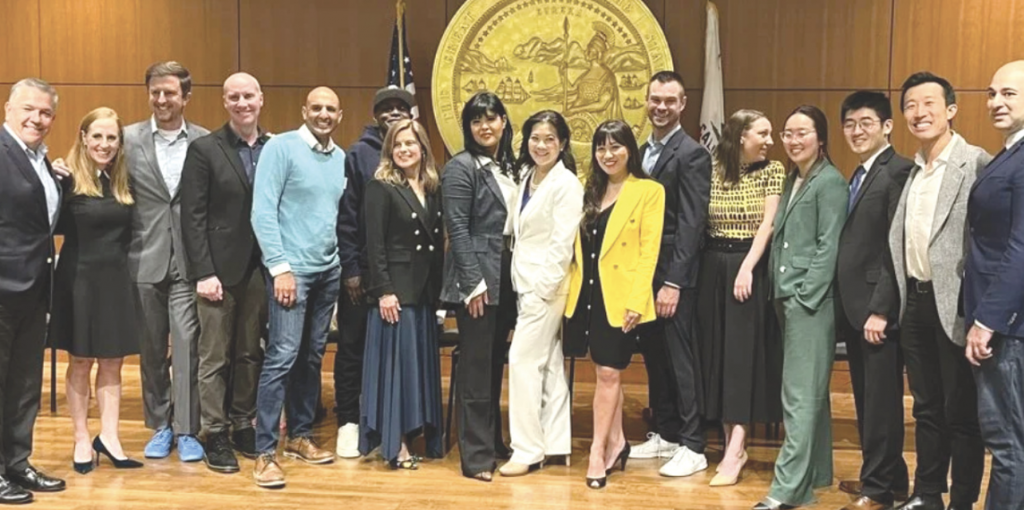
San Francisco has 24 elected DCCC seats: 14 representing Assembly District 17, roughly the eastern side of the city, and 10 representing Assembly District 19, mostly the western side. Certain Democratic elected officials also hold seats by virtue of their offices.
Registered Democrats vote for the elected seats in the party’s central committee election. Remember encountering a long list of names on your primary ballot and wondering what you were deciding? This may have been it. You must be registered with the party to vote in its central committee contest.
What about the “mods” and progressives?
Spend five minutes around San Francisco politics and someone will describe a person as a “moderate” or a “progressive,” usually as though that explains everything.
These broad political camps often disagree over housing, policing, business regulation, and responses to poverty and homelessness. But the labels can conceal differences among people supposedly on the same team.
Have you heard the saying “a knife fight in a phone booth”? San Francisco Democratic politics can feel like that: sharp disagreements, close quarters, and little room to maneuver. People who agree on national issues can disagree fiercely about their own block.
A San Francisco moderate may be quite liberal by national standards. Two progressives may disagree strongly about a project or candidate. LGBTQ people, renters, homeowners, and working people span these camps.
In 2024, a slate associated with the moderate camp won control of the DCCC, shifting power over party endorsements.
My advice: ask what someone supports and what they have done. A faction label can start a conversation. It should not finish it.
Where does Alice fit in?
Alice has its own endorsement process. Alice and the DCCC make separate decisions. They can agree. They can disagree.
When Democratic organizations support different candidates, look at who made each recommendation and what mattered to them.
Alice is a big tent. We have moderates, progressives, and members who would rather discuss the issue than pick a label. We share a commitment to LGBTQ equality and a stronger San Francisco, even when we disagree about how to get there.
We have debates, sometimes spirited ones.
As co-chair, I want people to disagree, listen, and find work worth doing together. Our community’s needs cross factional lines. Our relationships should, too.
How do you get involved?
Visit SF Dems online (https://www.sfdems.org/) for endorsements, meeting information, and opportunities to participate. Read an agenda, attend a meeting, and check the public comment instructions. Ask members how they voted and why. “I have a follow-up question” is a useful civic skill.
Come to an Alice membership meeting, too. Everyone is welcome. Our next meeting is November 16 at 6 pm at The Academy SF.
You do not need every candidate’s biography memorized or an opinion on substitute motions. There is no entrance exam, and knowing parliamentary procedure will only get you volunteered for something.
Bring your curiosity. Bring a friend. Ask that question you think is too basic. Three other people are probably wondering the same thing, and one might be on the board.
“Who decided that?” is a perfectly good place to begin.
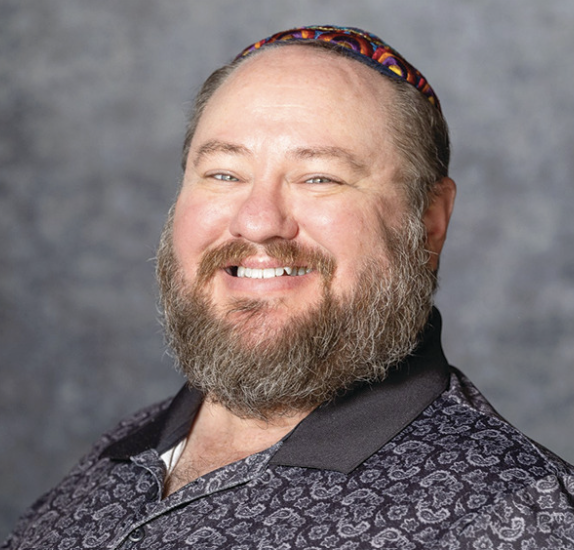
Martin Rawlings-Fein is a bisexual and transgender man, Senior Co-Chair of the Alice B. Toklas LGBTQ Democratic Club, and a longtime San Francisco LGBTQ community organizer. He is also a rabbi, educator, and advocate who works at the intersections of queer community, Jewish life, and civic engagement. Learn more about the Alice B. Toklas LGBTQ Democratic Club at https://alicebtoklas.org/
What Would Alice Say?
Published on November 5, 2026









Recent Comments