





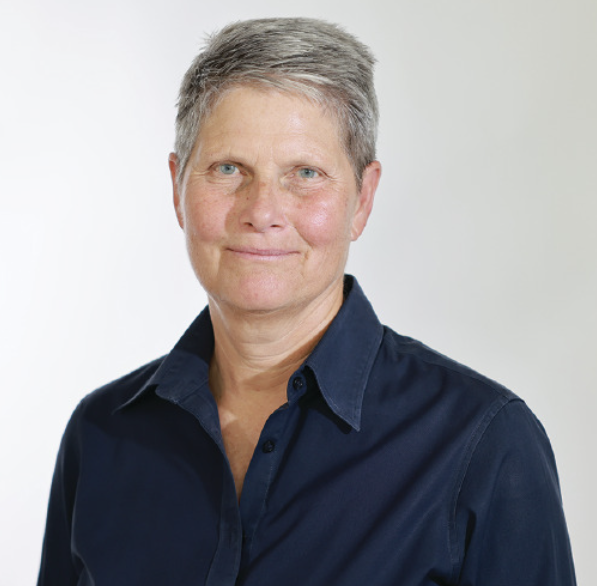
By Deb L. Kinney—
A loved one has died. The family is grieving. There is a trust, or a will, or maybe both. Families often expect that settling the estate will be relatively straightforward.
Everyone knows roughly what is supposed to happen. And yet months pass, then a year, then two—and the estate still isn’t closed. Bills keep arriving. The house sits vacant. Beneficiaries are still waiting on their gifts.
This is not how it should work. And, frankly, it is a big part of why I started TrustParency PC.
Many assume assets will be distributed within a few months. In California, however, both probate cases and trust administrations frequently take a year or more, and sometimes significantly longer. Probates are necessary if: 1) someone has only executed a will or 2) has not done their estate planning. Trust administrations tend to take less time as the estate is not subject to the court requirements, but the process still requires time and patience. Delay has a price. Moving efficiently is not just a quality-of-life issue for the family; it is a fiduciary responsibility.

It took me years of doing this work to figure out why the Courts take so long, but once I realized that there are 40M people living in California with approximately 300,000 people passing each year I understood. As baby boomers age, this number is expected to get to 500,000 deaths per year. Those actuarial numbers, combined with the reduction of budgets to the State Courts, indicates that estate settlement will even take longer and cause even more frustration for heirs.
Why I Started TrustParency PC
I built TrustParency PC around a few simple beliefs: Transparency is a very helpful tool in many cases. If each of the kids is to get 1/3 of the estate, there is no reason to hide what the estate is worth and how the process is going. Also, estate administration should not feel like a black box for the person nominated as trustee or executor. Families going through the loss of a loved one deserve a process that is organized, communicative, and as efficient as the law allows.
That means using technology thoughtfully—not as a gimmick, but as a genuine tool for keeping matters on track, sharing updates with beneficiaries, managing deadlines, and making sure nothing falls through the cracks. It means having the right network of providers in place from the beginning: appraisers, estate sale professionals, CPAs, and real estate agents who understand the specific demands of estate work. And it means treating communication with beneficiaries, not as an afterthought, but as a core part of the job.
Legitimate delays can sometimes be caused by family disputes or complex assets; however, we have found that transparency and clarity can often assuage even the most skeptical beneficiary and eliminate having to lawyer up to preserve an interest.

A Word for Our LGBTQ Community
In the Bay Area’s LGBTQ community, estate administration can carry an extra layer of complexity. Many of our clients spent years—sometimes decades—building lives and families without the legal protections that marriage provides. Even for those who are now married, assets acquired before marriage, separate trusts, and chosen-family relationships that don’t fit neatly into legal categories can make administration more complicated.
We see families where a surviving partner of thirty, forty, or fifty years is navigating a process alongside biological relatives they barely know. We see married couples who never updated their documents. We see estates where the decedent’s wishes were clear to everyone in their life—and yet the document doesn’t quite reflect it. Although good estate planning can address these issues, human dynamics and grief are real.
The Probate Process Is Built to Protect Creditors and Beneficiaries
One of the primary reasons probate takes time in California is that the system is designed to protect everyone with a legal interest in the estate. Probate is a court-supervised process that ensures the decedent’s debts are paid, assets are properly identified and valued, and beneficiaries receive the distributions to which they are entitled.
Trust administrations still have protections built in; however, the parties can often waive certain provisions if they choose or agree to move certain aspects along, like selling real estate without having to wait for court confirmation.
The families we work with often focus on the emotional toll of a prolonged administration—and that toll is real and significant. But the financial costs of unnecessary delay are also worth naming plainly.
Carrying costs of real property including reassessments of real property taxes accumulate, month after month. Assets sitting in estate accounts, rather than being distributed to beneficiaries, may miss investment opportunities or generate unnecessary taxable income. In some cases, delay in distributing assets can require additional interest payments that earlier action might have minimized. And when administration drags on long enough to become contentious, the cost of attorney fees—for both the trustee and the beneficiaries who eventually hire their own counsel—can erode the estate substantially.
What Good Administration Actually Looks Like
In a well-run estate administration, beneficiaries receive regular updates. They know what has been done, what is pending, and what to expect next. The trustee or executor is supported by professionals who handle their respective pieces efficiently. Tax obligations are identified early and addressed proactively. Personal property decisions are made with clear guidance rather than left to fester. And the whole process moves, not recklessly, but purposefully.
This is achievable. It requires organization, communication, and a team that knows what it is doing. It does not require years of silence and frustration.
If you are a beneficiary wondering why nothing seems to be moving, or a trustee or executor feeling overwhelmed by the scope of what you have taken on, we would welcome a conversation. Estate administration does not have to be this hard—and with the right support, it usually isn’t.
Deb L. Kinney is a California attorney and founder of TrustParency PC, a Bay Area law firm focused on trust administration, probate, and estate planning. TrustParency serves clients throughout the San Francisco Bay Area, including San Francisco, Emeryville, and Marin County. Learn more at https://trust-parency.com/ or call 415-429-1290.
Published on March 26, 2026













Recent Comments