







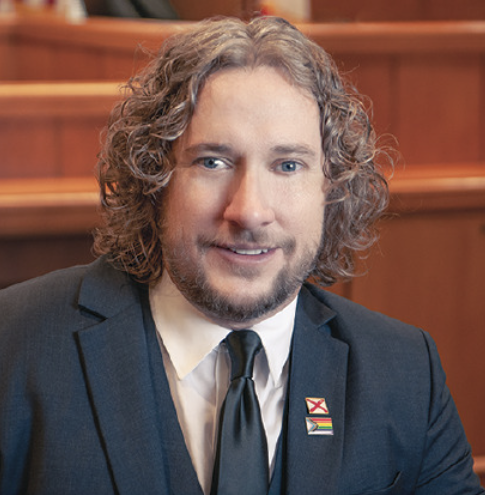
By Jay Greene, Esq., CPA—
Two major law changes are now in effect, and many Bay Area estate plans have not yet been reviewed to reflect them. If your plan has not been updated since 2024, it may be relying on rules that no longer exist.
The most important issue is timing. Your ability to update a plan depends on legal capacity. Once a serious illness, stroke, or cognitive decline takes that away, no attorney can create new authority documents, retitle property, or restructure your plan for you—no matter how urgent the need.
One legal change affects probate. The other affects Medi-Cal eligibility. Together, they create a practical message for Bay Area families: this is a good moment to review whether your current documents, title, and beneficiary designations still work the way you think they do.
Change One: California’s Probate Rules
Assembly Bill 2016 took effect April 1, 2025. It created a simplified court process for transferring a primary residence worth $750,000 or less and raised the small-estate threshold for certain non-real estate assets above the former $184,500 limit.
For many Bay Area households, however, that relief will be limited. Home values in San Francisco and surrounding communities often exceed the new cap. The law also applies only to a principal residence, requires agreement among heirs, measures value without subtracting mortgages or liens, and still involves a court process. For that reason, a properly funded living trust remains the strongest way to keep a home out of probate regardless of value.
A trust helps only if assets are actually in it. Refinancing is a common point of failure: lenders often remove a trust from title during the loan process, and homeowners are not always told that the deed was never transferred back. If your current deed lists only your personal name, rather than you as trustee of your trust, your home may still be exposed to probate.
Chosen Family and LGBTQ+ Planning Considerations
This issue can be especially important for LGBTQ+ households, unmarried partners, and chosen families. Registered domestic partners are often treated similarly to spouses for Medi-Cal purposes, but only if the documentation is clear and current. If a partner, close friend, roommate, or caregiver is central to your support system, but not named in your legal documents, that gap can create confusion at exactly the wrong time.
Good planning is not only about tax rules or court procedure. It is also about naming the right decision-makers, trustees, health care agents, and beneficiaries so that the people you trust are the ones who can actually act when needed.
Change Two: Medi-Cal Asset Limits Return
California temporarily suspended asset tests for many Medi-Cal programs in 2024 and 2025. Beginning January 1, 2026, those tests return for non-MAGI Medi-Cal, including long-term care coverage. The limits are $130,000 in countable assets for one person, $195,000 for a married couple, plus $65,000 for each additional eligible household member.
In a high-cost region like the Bay Area, these numbers can affect more families than people expect. Skilled nursing in San Francisco can run roughly $13,000 to $16,000 per month. That means even middle-income households can face a painful gap between the cost of care and the point at which benefits begin.
The 30-Month Lookback and Family Gifts
When a person applies for long-term care Medi-Cal, the county reviews 30 months of financial history. Transfers for less than fair market value—including gifts to family members—can create a penalty period during which Medi-Cal will not pay. The federal annual gift-tax exclusion does not protect a transfer from Medi-Cal’s separate rules.
That distinction matters. A gift may be tax-free and still create benefit problems. Before making large gifts, changing title, or moving assets, it is wise to review the consequences first.
How Probate and Medi-Cal Intersect
Probate and Medi-Cal are often discussed separately, but they intersect in a very practical way. California can generally seek Medi-Cal estate recovery only from assets that pass through probate. Assets held in a properly funded living trust, in joint tenancy, or through a valid transfer-on-death arrangement often avoid probate and therefore may also avoid estate recovery when set up correctly.
That is one reason trust funding matters so much. The protection depends, not just on having a trust document, but on making sure the home and other intended assets are actually aligned with it.
Three Things to Do Now
Audit trust funding. Confirm that your home and key accounts are actually titled or designated the way your plan intends.
Review planned gifts or transfers before you act. The 30-month lookback means today’s decisions can affect eligibility years from now.
Update powers of attorney and health care directives. Without them, loved ones may face conservatorship before they can help.
A Short Review Now Can Prevent Bigger Problems Later
These changes do not affect only the wealthy. In the Bay Area, ordinary home values and ordinary savings can create extraordinary legal consequences when plans are outdated or incomplete.
If you live in San Francisco or the broader Bay Area, a short review of your plan against the current probate and Medi-Cal rules can confirm what is working and identify what needs attention while change is still possible.
Contact Greene Law Firm, P.C. today. Call 415-905-0215 or email info@greenelawfirm.com—free initial assessment.
Statements in Compliance With California Rules of Professional Conduct
The materials in this article are for educational purposes only and are not legal advice. Consult an estate planning attorney for personalized guidance.
Attorney Jay Patrick Greene, Esq., CPA, founded Greene Law Firm, P.C., which is licensed in California, Alabama, and Florida. He has over 15 years of experience in wills, trusts, probate, elder law, and asset protection. For more information, visit https://www.assetprotectionbayarea.com/
Trust Essentials
Published on April 23, 2026












Recent Comments