







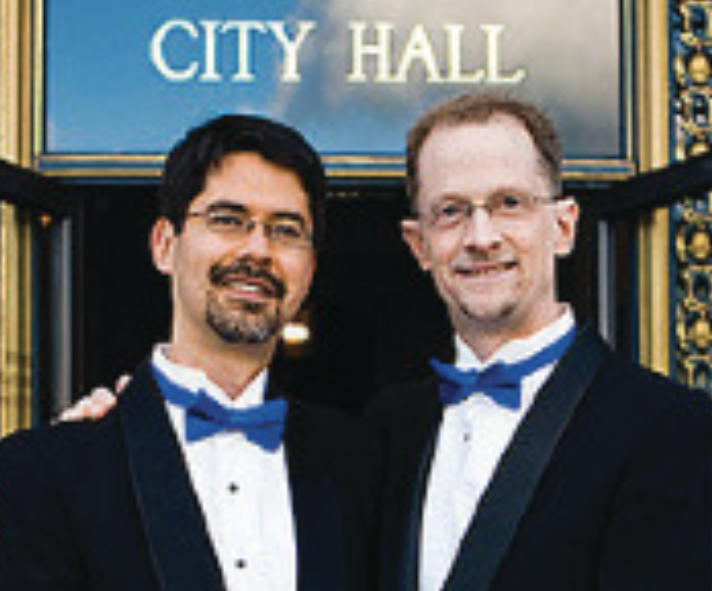
By Stuart Gaffney and John Lewis—
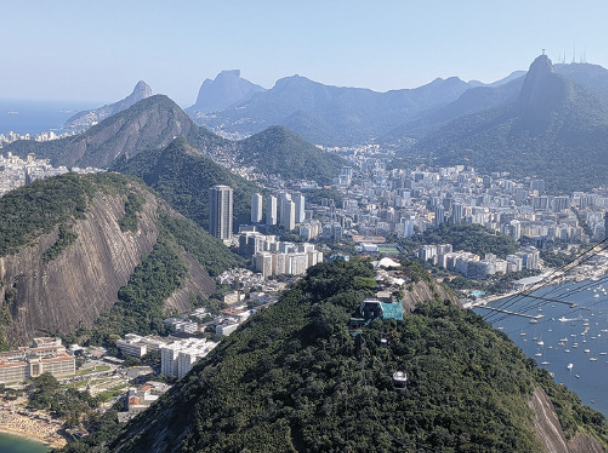
Rio de Janeiro: the setting could not be more stunning. Sugarloaf Mountain rises from the sea. Mount Corcovado’s iconic Christ the Redeemer statue, arms outstretched, looks over the city from the mountain peak. At Ipanema and Copacabana beaches, gay and nongay men clad in Speedos and women in thong swimsuits soak up the sun and romp in the surf. At dusk, we relaxed in the ocean while a glorious sunset turned the sea golden to the west and a full moon rose and glistened on the water to the east. We ate incredible food from fish moqueca to creamy shrimp boba to pirarucú fish that melted in our mouths. We indulged in fresh, pure açaí, sweet and tart jaboticaba berries, tangy and tingly jambú flowers and leaves—and even effervescent, lemony Amazonian ants.
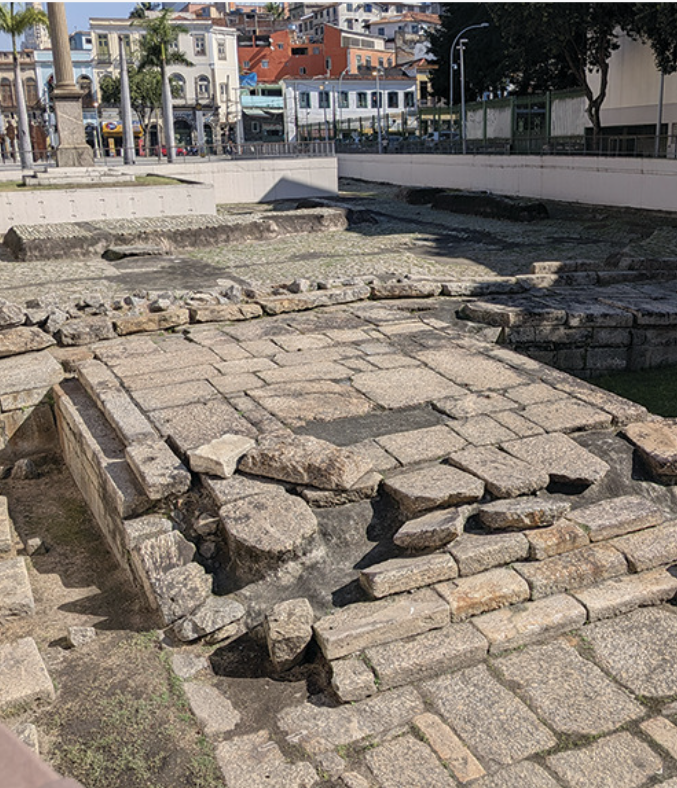
But there’s a darker side to visiting Brazil and to its history. Ten kilometers north of Sugarloaf in the historic center of Rio lie the ruins of the Valongo Wharf. It was there that an estimated 900,000 enslaved Africans arrived in the Americas, after being subjected to horrific conditions on the Atlantic passage, which many did not survive. At the wharf, they began their new lives as slaves in Brazil, where they experienced extraordinary cruelty and human debasement, with many literally worked to death. UNESCO declared the Valongo Wharf a World Heritage Site in 2017 as “the most important physical evidence associated with the historic arrival of enslaved Africans on the American continent.”
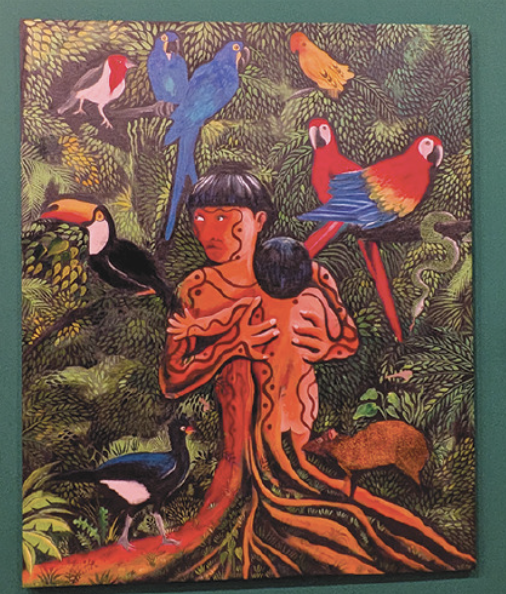
Brazil’s history of slavery is particularly brutal. Of the approximately 12 million Africans enslaved in the Americas, 5.5 million (or approximately 45 percent) were taken to Brazil. Brazil was the last country to abolish slavery, doing so in 1888, fifty years after England did. The enslavement of millions of Africans, along with Portuguese actions that resulted in the deaths of millions of indigenous Brazilians and the decimation of many of their cultures, continues to have a profound effect on Brazil centuries later.
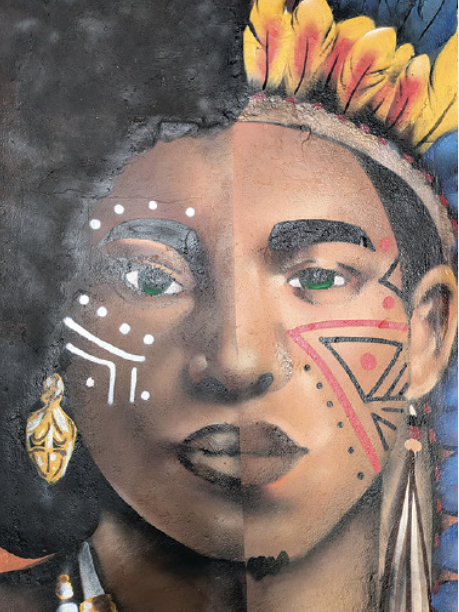
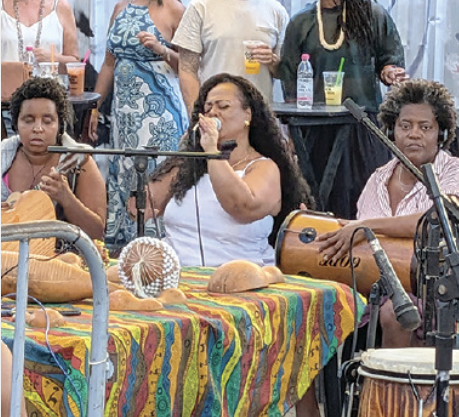
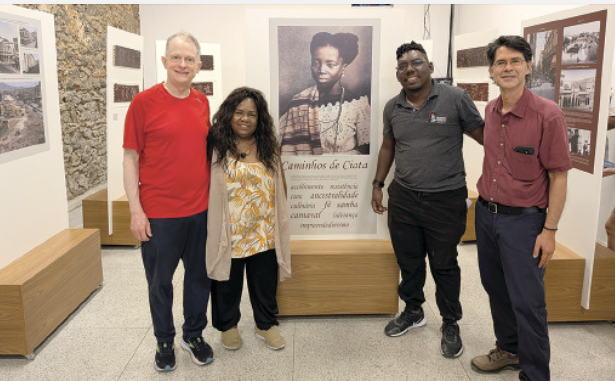
But there is much joy and welcome to be found in these communities today. Indigenous community leaders are preserving and rejuvenating their cultures. And, just down the street from the Valongo Wharf, is the historic Casa de Tia Ciata, the house of the renowned Bahian woman, popularly known as Tia Ciata, who migrated to Rio and who many consider the matriarch of samba and an integral force in the development of the musical genre. When we visited the house, now a cultural center, we were warmly greeted by Tia Ciata’s great granddaughter, Gracy Mary Moreira, and her son, Nilson Moreira. When we attended their Sunday samba circle nearby, we were enthralled by the music and danced and clapped with many community members.
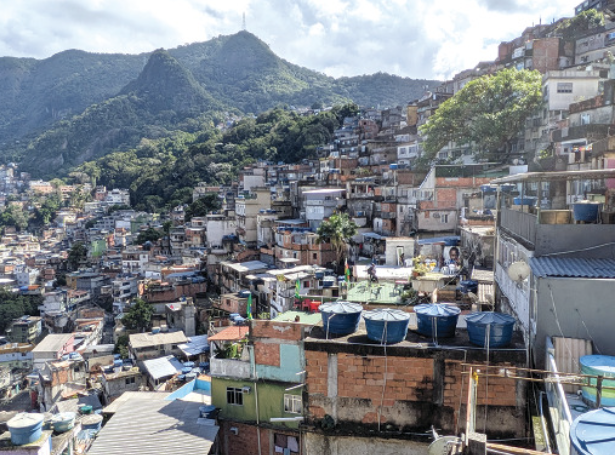
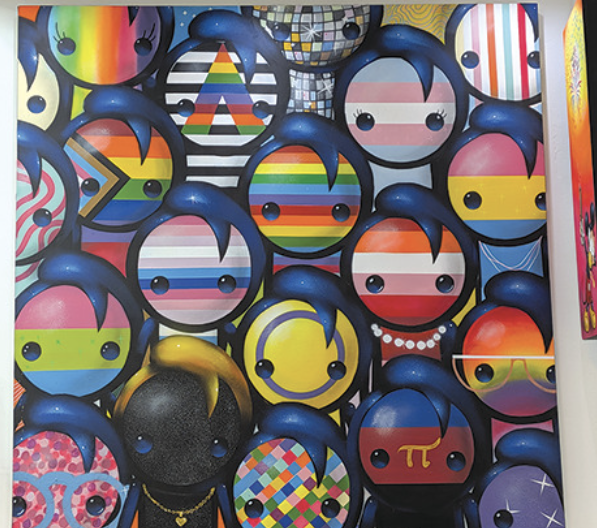
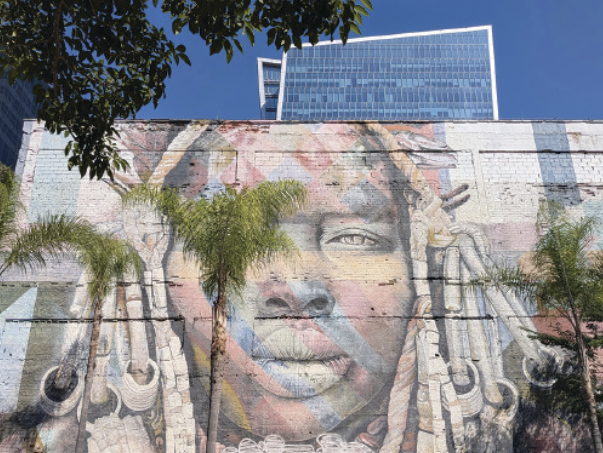
In Rio, we also visited Rocinha, Rio’s largest favela with a population of 72,000 to 100,000 or more. Favelas in Rio are communities of economically disadvantaged Brazilians of color, who live in very simple, small homes, many of which are built by community members themselves, on some of Rio’s steep slopes. The houses are crowded together with narrow pathways, winding through the houses, businesses, and schools on what was originally considered undesirable hilly real estate, away from the shore. Visiting Rocinha requires going on a tour. We knew we had the right tour guide for us when we asked how she learned to speak English, and she replied, “watching every season of RuPaul’s Drag Race.” Although favelas have substantial challenges on many levels, our guide introduced us to the warmth of the Rocinha community. We were particularly gratified to find explicit LGBTIQ-themed artwork in the tiny shop of the internationally recognized mural painter Wark, who calls Rocinha home.
John Lewis and Stuart Gaffney, together for over three decades, were plaintiffs in the California case for equal marriage rights decided by the California Supreme Court in 2008. Their leadership in the grassroots organization Marriage Equality USA contributed to making same-sex marriage legal nationwide in 2015. Today, they continue to educate and advocate for marriage equality and LGBTIQ+ rights worldwide.
6/26 and Beyond
Published on August 13, 2026












Recent Comments