





Before stepping into the public spotlight as an advocate for LGBTQ+ inclusion, Ryan O’Callaghan built an impressive football career as an elite tackle. Playing collegiate football for the California Golden Bears from 2001 to 2005, O’Callaghan earned first-team All-Pac-10 honors twice and was awarded the prestigious Morris Trophy in 2005 as the conference’s top offensive lineman. Selected in the fifth round of the 2006 NFL Draft by the New England Patriots, he played six seasons in the league—appearing in 51 games across stints with both the Patriots and the Kansas City Chiefs.
Despite his success on the field, O’Callaghan used football in part as a protective shield to conceal an important aspect of his identity. In an interview with CBS Boston (WBZ-TV) regarding his decision to pursue the sport, O’Callaghan explained: “I didn’t think I could do a good enough job convincing a female that I was straight and I thought that would blow my cover, so I knew I was good enough for football pretty early on … and I just ran with it.” Football provided a masculine culture sanctuary where few would question his personal life, but hiding his sexuality carried a severe emotional toll.
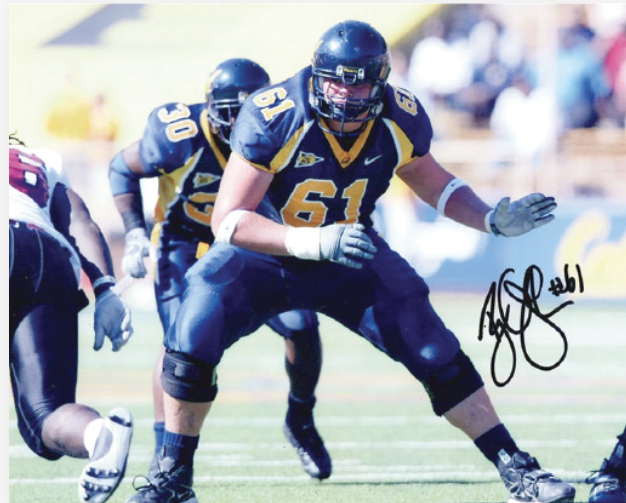
During his active playing years, O’Callaghan struggled with severe depression and addiction to painkillers, lacking a vision for life after his athletic eligibility expired. In a 2022 address at Belmont Hill School, he shared how isolated he felt in the closet, stating: “I chose football as a cover for my sexuality. Football was my beard. No one would ever think a macho football player could be gay.” Believing that those close to him would reject his identity, he kept his private life completely hidden from teammates, coaches, and family members alike.
The pivotal turning point in O’Callaghan’s life occurred during his final years with the Kansas City Chiefs, when a team trainer recognized his distress and referred him to a team psychologist. After finally coming out to the psychologist and subsequently to his family and former teammates, he received overwhelming support rather than the rejection he had feared. Reflecting on the relief of living authentically, O’Callaghan noted in his CBS Boston interview: “I try to make sure I tell people how good it feels when you can finally be yourself, and that weight that’s off your shoulders.”
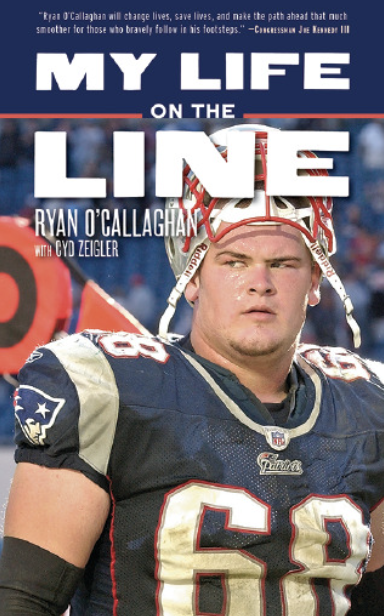
Today, O’Callaghan stands as a trailblazer for LGBTQ+ athletes across competitive sports. Detail-rich accounts of his struggles and ultimate triumph were documented in his 2019 memoir, My Life on the Line, with book proceeds helping fund scholarships for LGBTQ+ student-athletes through his foundation. By courageously sharing his story, O’Callaghan has transformed his legacy from that of an NFL tackle into a leading voice for mental health awareness, authenticity, and inclusion in athletics.
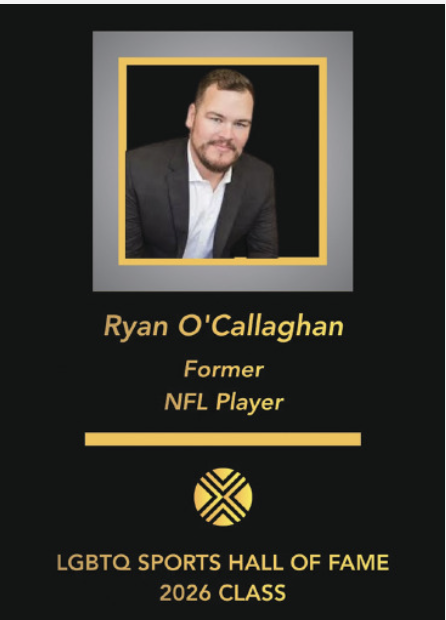
Just a few months ago, in August 2026, O’Callaghan was inducted into the LGBTQ Sports Hall of Fame, which is a project of the Sports Equality Foundation. Learn more at: https://www.sportsequalityfoundation.org/
Out NCAA Trailblazers
Published on September 24, 2026









Recent Comments