









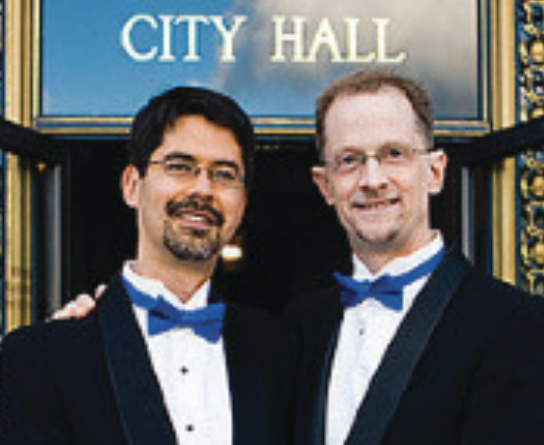
By Stuart Gaffney and John Lewis—
As many readers are likely aware, Donald Trump during his first week back in office last year signed a deplorable Executive Order, prohibiting transgender people from serving in the military. The order slandered the approximately 4,000 experienced and dedicated trans military personnel as not “mentally and physically fit for duty.” It spuriously claimed that transgender people fail to meet the military’s “high standards for troop readiness, lethality, cohesion, honesty, humility, uniformity, and integrity.”
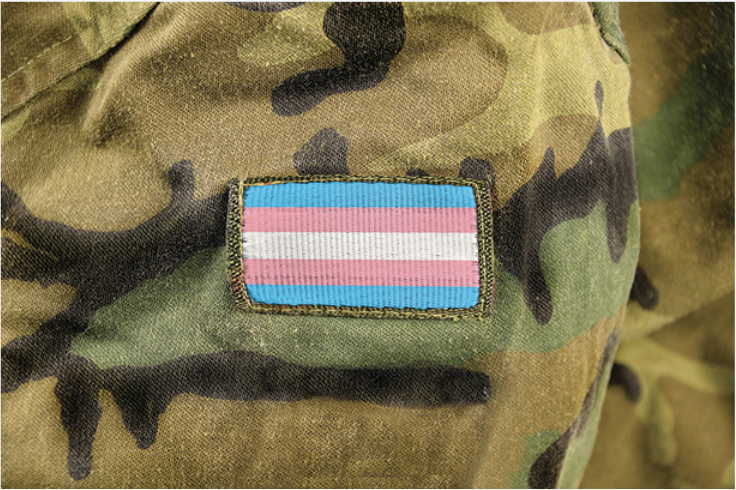
It further smeared trans military personnel by asserting that being transgender “conflicts with a soldier’s commitment to an honorable, truthful, and disciplined lifestyle” and evidences a lack of “selflessness” required to be in the military. The message was clear: all transgender members of the military would be discharged, and no new trans people need apply. Secretary of Defense Pete Hegseth put it crudely: “no more dudes in dresses” and “no tr–nies.”
As a matter of carrying out the new order, the Pentagon offered trans personnel the opportunity to accept “voluntary separation,” entitling them to double the ordinary separation pay and the ability to keep enlistment bonuses, both of which would be denied if they contested their removal and lost. Given the categorical nature of the executive order, many took this option.
Others, however, decided to stay and fight for their rights. Under procedures set up by the Trump administration, those service members would appear before three-member separation boards, drawn individually for each case from enlisted personnel and officers, who would make recommendations regarding the trans person’s fate. The outcomes of the proceedings, though, were presumed to be a fait accompli because, under the Trump/Hegseth policy, any evidence that the soldier was transgender, regardless of how accomplished, decorated, or experienced they were, meant that the board should recommend discharge. The heads of the various military branches, all selected by Trump, would make the final decisions.
But when the boards started convening this year, something astonishing took place in many Navy and Marine hearings: boards refused to be mere rubber stamps for the Trump/Hegseth policy, and in 75% of cases, they voted to retain, not discharge, the trans service members appearing before them. On October 23, 2026, The New York Times reported that boards in nine of twelve cases recommended that their trans colleagues, whom they deeply respected, be able to remain in the military. And, in one of the three cases recommending discharge, the board unanimously opined that they themselves believed the service member should be retained “based on his commendable service record and unique skills.”
These boards didn’t buy a word of Trump and Hegseth’s cruel rhetoric. Why? Because many of the board members had themselves served alongside trans soldiers and knew them to be just as good soldiers as anyone else, and, in some cases, even standout soldiers. In one Navy hearing, all three board members revealed that they had worked with trans sailors, praising one as a “‘phenomenal sailor’” and another as a supervisor from whom “‘she learned a lot,’” according to the Times. Another board member described how his neighbor was a trans sailor with whom he barbequed.
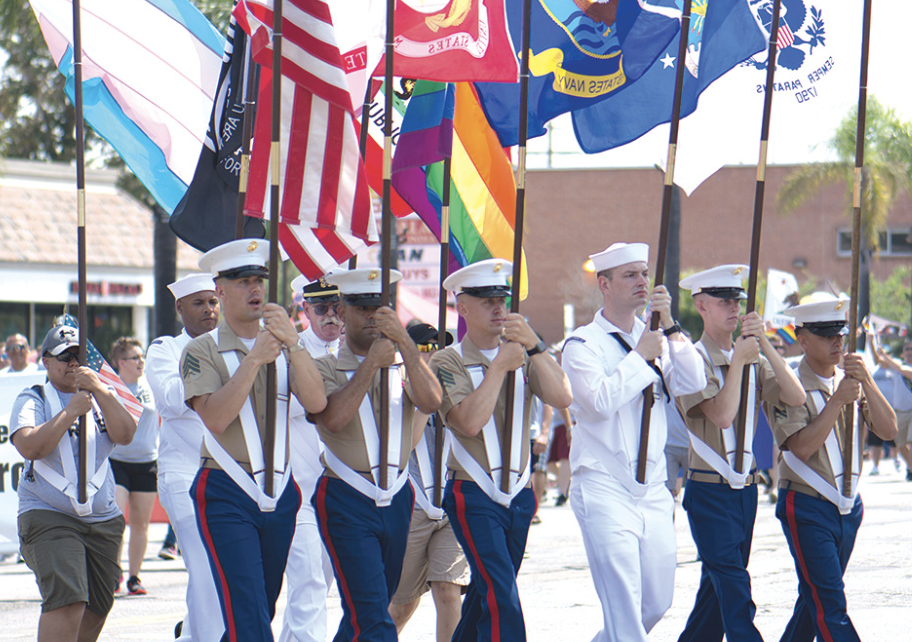
The power of non-queer people knowing LGBTIQ+ people as their friends, neighbors, and coworkers once again seemed pivotal to their seeing our collective humanity and standing up for queer rights. It would not have been possible without thousands of trans servicemembers serving out and proud, including not only those who fought their removal but also those who took voluntary discharge. After all, none of the board members personally knew the individual trans people appearing before them; they had worked with or become friends of many other trans service members. The transformative dynamic at work in the hearings mirrors that which took place as part of the marriage equality movement and reflects why coming out has been foundational to the success of the entire modern American LGBTIQ+ rights movement.
Sadly, the Times also reported that Army and Air Force boards, in contrast to their Navy and Marine counterparts, have recommended discharge in the vast majority of their cases, with one discharged officer describing her proceeding as a “kangaroo court.” But, even in those branches, boards in approximately five of about 56 cases voted to retain.
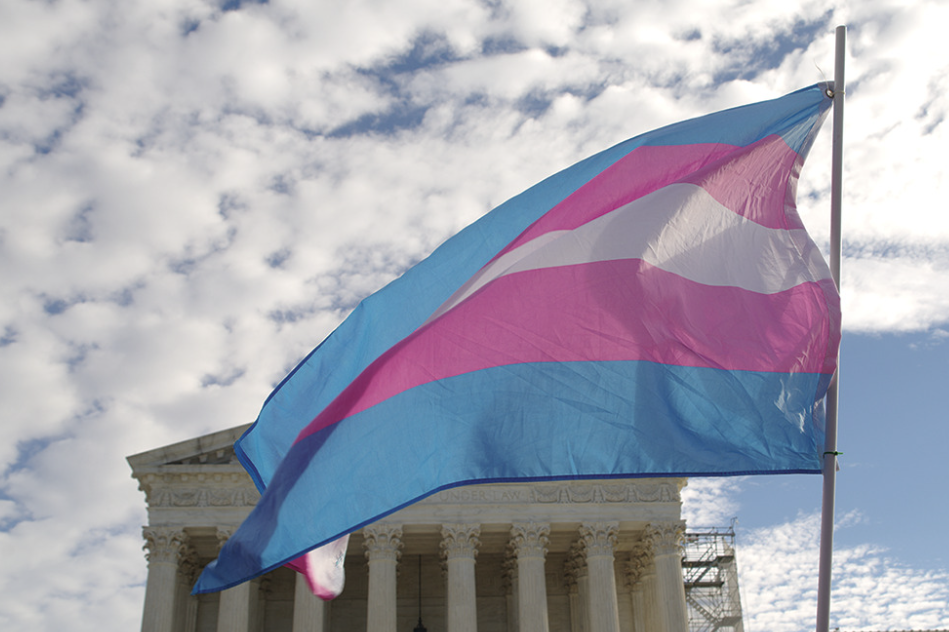
Legal challenges to the 2025 Trump Executive Order are also pending in federal courts. Given the very conservative Supreme Court supermajority’s recent adverse decisions against trans youth and the deference the Court has historically afforded the military, however, these cases face considerable headwinds, despite their obvious merit. Indeed, in May 2025, the Court’s supermajority issued an unsigned shadow docket ruling, allowing Trump’s Executive Order to go into effect while litigation challenging it proceeded. All three Democratic nominees dissented. The Court is currently receiving briefing on whether or not to decide the underlying constitutionality of the Trump Order in a case during the 2026–2027 term.
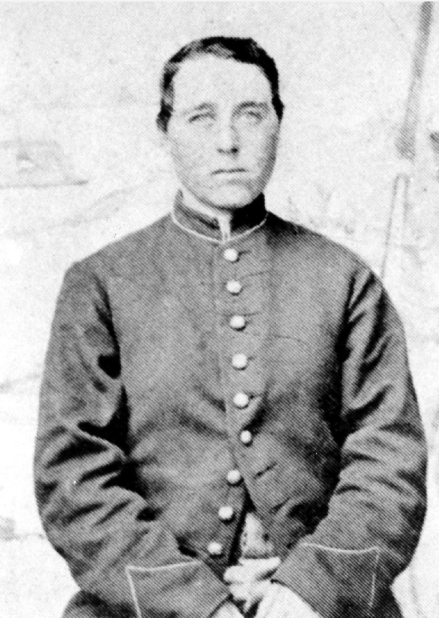
Regardless of the ultimate outcome of these lawsuits and other hearings, the heroic actions of the board members who voted to retain their transgender colleagues serve as a cause for much-needed hope, not just for today’s trans military personnel and those who aspire to be in the future, but for all transgender Americans. Obeying the chain of command and following orders is the hallmark of the American military. The board members’ striking defiance of the clear intent of the Trump/Hegseth policy shows the capacity of everyday cisgender Americans, not only to empathize with trans people, but also to take considerable risk to actively support them, here standing up to the Commander-in-Chief and the Secretary of Defense.
This fortitude reflects the exceptional courage of the trans service members contesting their removal who embrace themselves just as they are and are willing and able to stand up for themselves, and thus the humanity of all trans people. It’s what brave members of our community have been doing since our movement began, and it’s what we will continue to do in our efforts to make the world a better place for all.
John Lewis and Stuart Gaffney, together for over three decades, were plaintiffs in the California case for equal marriage rights decided by the California Supreme Court in 2008. Their leadership in the grassroots organization Marriage Equality USA contributed to making same-sex marriage legal nationwide in 2015. Today, they continue to educate and advocate for marriage equality and LGBTIQ+ rights worldwide.
6/26 and Beyond
Published on November 5, 2026















Recent Comments