





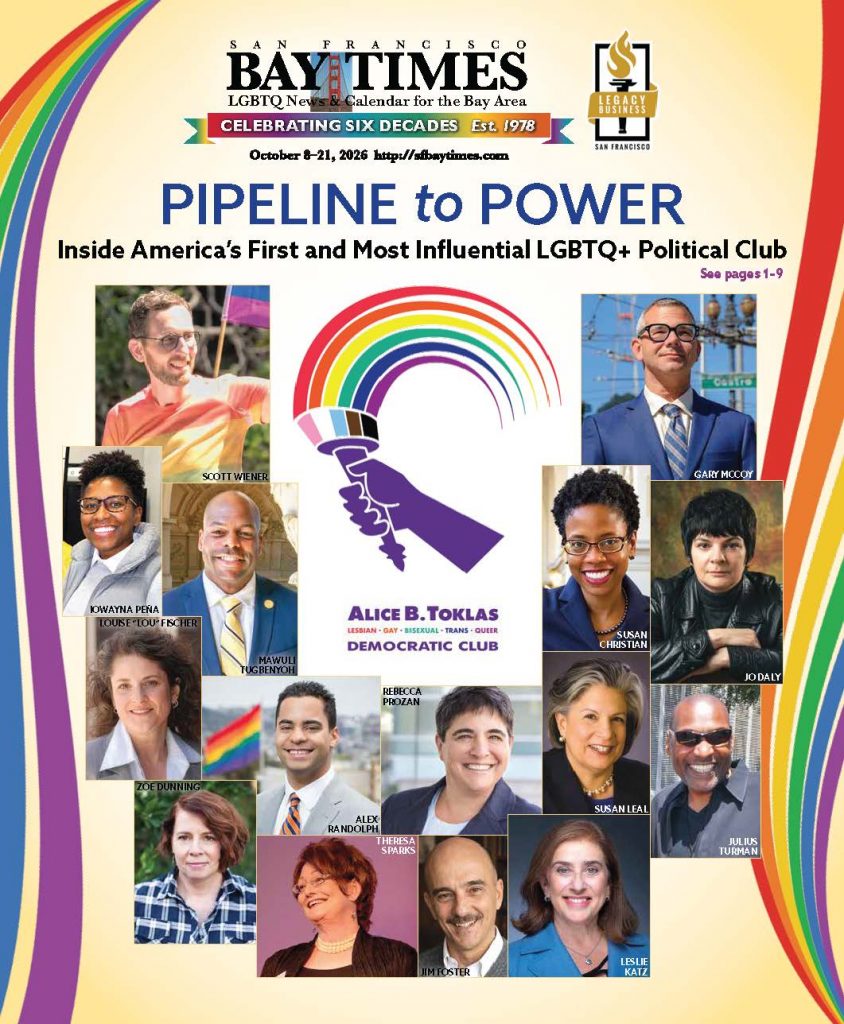
The San Francisco Bay Times is proud that two of its founding contributors, Phyllis Lyon and Del Martin, helped form the Alice B. Toklas LGBTQ Democratic Club in December 1971. Lyon and Martin—who were renowned activists who influenced the civil rights and marriage equality movements and much more—joined forces with James “Jim” M. Foster and Beth Elliott to establish the club. Lyon, Martin, and Foster have since passed, while Elliott went on to become a singer, writer, and transgender activist who authored the memoir Mirrors: Portrait of a Lesbian Transsexual (Masquerade Books, 1996).
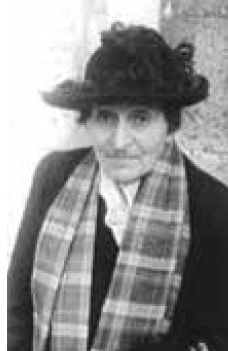
At the time of the club’s founding, the notion of openly gay political power was revolutionary. Homosexuality was still criminalized in most states, and mainstream political parties routinely ignored or rejected gay rights advocacy. Named discreetly after author Alice B. Toklas—a coded moniker that allowed members to participate without publicly risking their livelihoods—the club became the first registered LGBTQ Democratic organization in the United States. (The Golden Gate Business Association, the first chamber of commerce for the LGBTQ+ community and that is still going strong, also was formed under a discreet name for similar reasons at the time.) Over the past five decades, “Alice” transformed from a covert sanctuary into a cornerstone of California governance.
Bringing LGBTQ+ Rights to the National Stage (1972)
Only a year after its creation, club founder Jim Foster made history at the 1972 Democratic National Convention in Miami Beach. Addressing the assembly as the first openly gay delegate at a major party presidential convention, Foster advocated for a “Gay Liberation Plank” in the party platform. Although the platform committee initially rejected the proposal, the speech marked the first time gay rights were presented to a national political audience as a civil rights imperative, forcing mainstream party leaders to confront the movement.
The ‘Alice Slate’ and Municipal Power (1973–1977)
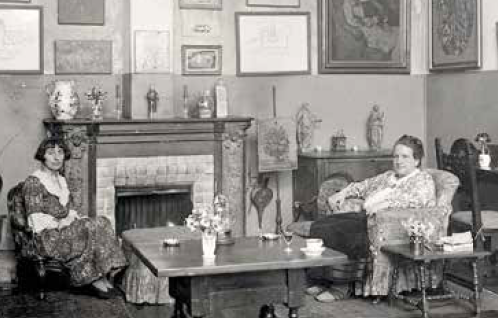
Recognizing that local coalition building was essential, Alice leaders pioneered organized municipal endorsement slates in San Francisco. In November 1973, the club campaigned for a slate of candidates that included future mayor and senator Dianne Feinstein. By mobilizing volunteers, establishing phone banks, and organizing door-to-door canvassing, Alice proved that the LGBTQ+ vote was a decisive, organized electoral bloc. This pragmatic insider strategy demonstrated to City Hall that candidates needed LGBTQ+ support to win elections.
Navigating Backlash and Crisis (1978–1980s)
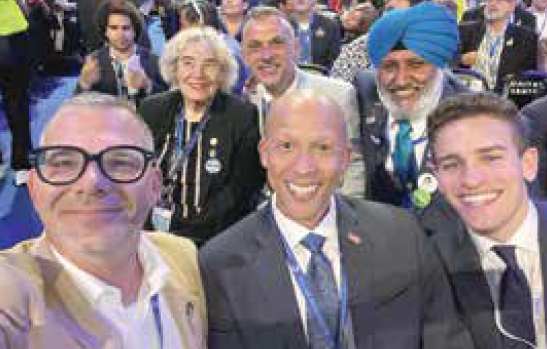
The late 1970s and 1980s brought immense trial and tragedy. In 1978, Alice members fought fiercely against Proposition 6 (the Briggs Initiative), a statewide ballot measure that sought to ban openly gay people from teaching in California public schools. That same year, the assassination of Supervisor Harvey Milk and Mayor George Moscone devastated San Francisco. Soon after, the onset of the HIV/AIDS epidemic ravaged the community. Alice pivoted its political strategy toward survival, lobbying City Hall and state officials for emergency healthcare funding, compassionate public health responses, and non-discrimination ordinances to protect those living with the virus.
Securing Party Recognition and Policy Wins (1980s–1990s)
Persistent advocacy bore national fruit at the 1980 Democratic National Convention, where the party officially adopted a civil rights plank prohibiting discrimination based on sexual orientation. Locally, Alice continued pushing groundbreaking policies, supporting San Francisco’s landmark Domestic Partnership legislation and later the Equal Benefits Ordinance of 1996, which required city contractors to extend equal benefits to same-sex domestic partners.

A Pipeline for Public Service (2000s–Present)
As the club has matured, it has evolved into an institution that does more than endorse candidates; it produces them. Club leaders, co-chairs, and board members have increasingly stepped into elected and appointed public roles. Figures such as State Senator Scott Wiener, former State Senator Carole Migden, former State Senator Mark Leno, and groundbreaking former commissioners like Theresa Sparks and Jo Daly all emerged from the club’s ranks to shape local, state, and national policy.
From a clandestine meeting room in 1971 to the highest corridors of California lawmaking, the Alice B. Toklas LGBTQ Democratic Club continues to build a durable legacy. Its history is a testament to how organized community political action can move a movement from the margins of society directly into the halls of leadership.
Pipeline to Power
Published on October 8, 2026









Recent Comments