








By Pamela Sevilla—
Before the Compton’s Cafeteria Riot became a landmark in transgender history, Compton’s was part of daily life in the Tenderloin: a neighborhood where transgender women, drag performers, and queer young people built community amid persistent harassment and exclusion.
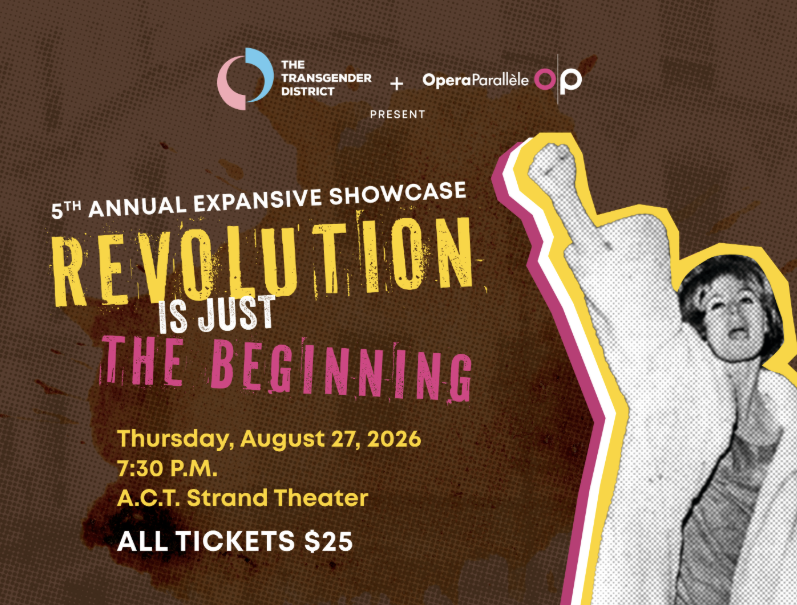
Sixty years later, a group of transgender and nonbinary classical artists will revisit that history through music. Expansive: Revolution Is Just the Beginning, presented by Opera Parallèle and The Transgender District, will organize its program around four chapters tracing life before, during, and after the 1966 uprising.
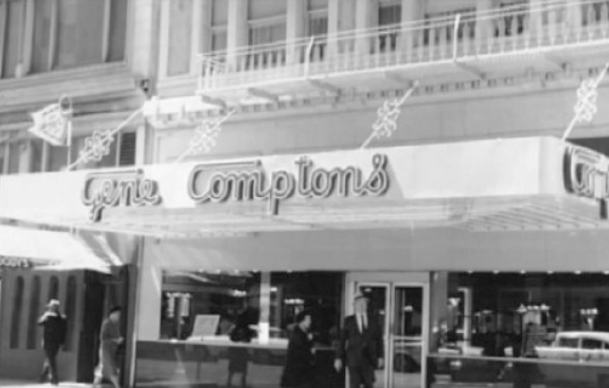
The approach raises an intriguing artistic question: How can songs written in different eras and traditions convey the experiences of people whose lives were rarely preserved in official accounts?
Curator and tenor Katherine Goforth collaborated with Opera Parallèle Founder and Artistic Director Nicole Paiement to shape the program in four movements: “We Had Nowhere to Go,” “It Ain’t a Party,” “One at a Time,” and “Still Fighting.” Together, they trace an emotional journey from displacement and isolation to resistance, grief, and continuing struggle.
The program will begin, not with the riot itself, but with something quieter: people arriving in San Francisco, searching for community, finding friendship, navigating loneliness, discovering hope. Goforth shared, “We begin in the middle of things, with a young woman, and a young man … . We’re not in Joyce’s Ireland, but in San Francisco’s Tenderloin District, in the hotel where the ‘Queens’ stay. Where did trans people come from, why were they coming here, and what could they expect once they arrived? And yet, what was the beauty in those experiences?”
“We hear three different stories of what that could’ve been like,” Goforth continued. “The Wanderer, not at home anywhere, least of all here. The Dreamer, whose life still has magic in it, no matter what she’s gone through. The Mourner, holding lost friends and loved ones close, wishing things would change.”
The program draws on music, spoken word, and projections, including Samuel Barber’s “Solitary Hotel,” Andre Previn’s “I Want Magic,” Schubert’s “Der Wanderer,” and Flaherty and Ahrens’ “Make Them Hear You.” The result is not a history lesson set to music, but an invitation to hear familiar works differently—through the hopes, losses, and resilience of San Francisco’s transgender community.
Anniversaries can easily turn acts of resistance into civic folklore: safely admired, neatly dated, and separated from the people who lived them.
Music resists that flattening. It restores uncertainty, longing, anger, humor, and hope—the emotions that official histories rarely preserve. Giving emotional form to historical experience is one of opera’s oldest traditions.
For centuries, composers have used music to illuminate the emotional truths behind historical events. We don’t remember Fidelio, Nabucco, or Les Misérables because they recount history with documentary precision. We remember them because they make us feel what freedom, oppression, hope, and courage sound like.
Now in its fifth year, Expansive has become an annual showcase dedicated to transgender and nonbinary classical artists, demonstrating how the classical tradition continues to evolve through new voices.
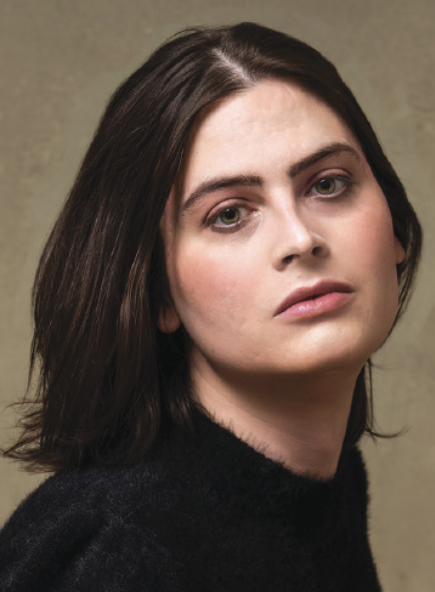
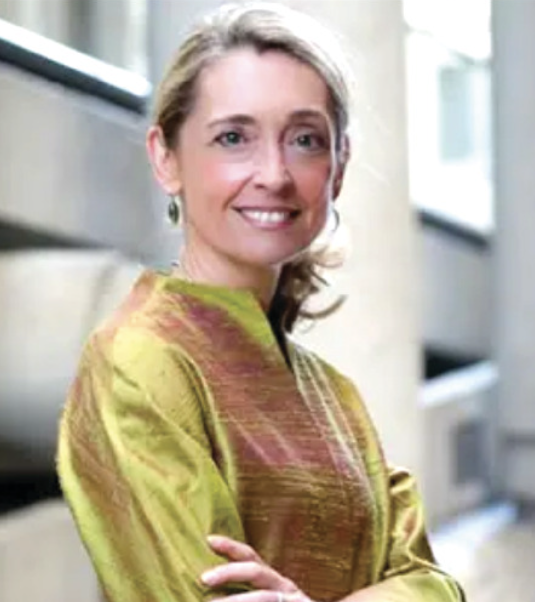
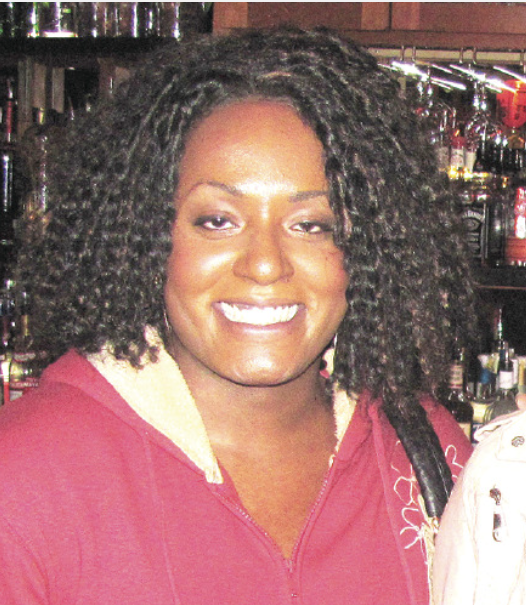
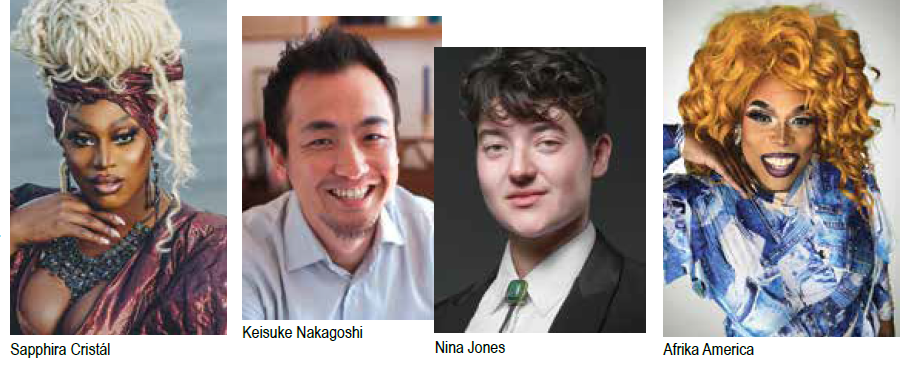
This year’s performers include bass-baritone Sapphira Cristál—known to many from RuPaul’s Drag Race but equally celebrated as a classically trained opera singer—tenor and curator Katherine Goforth, and mezzo-soprano Nina Jones, with pianist Keisuke Nakagoshi and host Afrika America. Their repertoire moves among opera, art song, spirituals, musical theater, and contemporary music—genres that carry different histories but share the power to turn private feeling into public expression.
San Francisco has always understood that culture doesn’t simply preserve history; it shapes how history is remembered. From murals to public art to performance, the city’s artists have long interpreted the stories that define its civic identity. Through Expansive, Opera Parallèle and The Transgender District extend that tradition, inviting audiences to remember Compton’s Cafeteria, not only through historical accounts, but through music.
Breonna McCree, Co-Executive Director of The Transgender District, said, “Through this showcase, we continue to center transgender and gender-expansive artists in the classical field, celebrating their brilliance while creating pathways for future generations of artists who are too often overlooked. This work reminds us that representation is not enough; we must continue investing in visibility, opportunity, and the revolutionary power of our stories.”
Representation is where the story begins, not where it ends. Classical music becomes richer when more artists are invited to shape it, reinterpret it, and expand its traditions. Audiences deserve to see themselves reflected on stage—but the art form itself also benefits from the perspectives these artists bring. The voices featured this year are not exceptions to classical music. They are part of its future.
Compton’s is remembered as a turning point, but history is made not only in turning points. It is made in the search for safety, friendship, dignity, and belonging—and in the artists who continue to carry those stories forward, this time in song.
Expansive: Revolution Is Just the Beginning will be presented Aug. 27, 2026, at A.C.T.’s Strand Theater. General Admission is $25.
For tickets and more information, visit https://operaparallele.org/
Pamela Sevilla is a marketing consultant who previously worked for over seven years at San Francisco Opera and served on the board of Bocón Arts, a youth theater and arts education organization.
Transgender History Month
Published on August 13, 2026













Recent Comments