







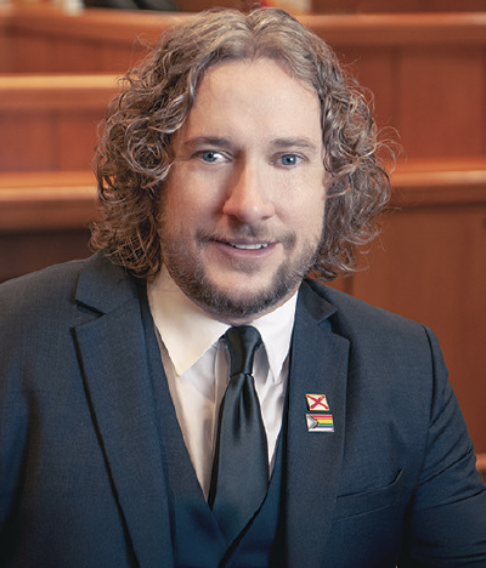
By Jay Greene—
From Getting Care to Protecting Your Legacy
In April, we covered how Medi-Cal’s reinstated 2026 asset limits and the 30‑month lookback affect eligibility for long‑term care. This month, we address the following: Once Medi-Cal pays for your care and you pass away, can the state come after your home?
If you are part of the Bay Area LGBTQ+ community—relying on a partner, chosen family, or caregiver—picture who you’d want in your home after you’re gone, and ask whether your documents make that possible. For many households, the honest answer requires a closer look.
What Medi-Cal Can (and Can’t) Recover
Under current California law, recovery is limited to nursing home care, home and community‑based services, and related expenses paid after age 55—and only from your probate estate. Assets in a properly funded living trust, in joint tenancy, or transferred by a valid transfer‑on‑death deed generally bypass probate and are often outside the recovery base when structured correctly.
There is no recovery while a surviving spouse or registered domestic partner is alive. A “homestead of modest value” may qualify for a hardship waiver, but, in the Bay Area, that threshold—50 percent or less of the county’s average home price—means virtually no San Francisco property qualifies. For households that are neither married nor registered, that gap in protection is significant.
LGBTQ+ Realities: Spouses, Partners, and Chosen Family
The law now recognizes marriage equality, but everyday LGBTQ+ life still includes long‑term partners, ex‑partners who remain family, and caregivers who function like relatives. The state’s recovery rules, however, follow paper—marriage certificates, domestic partnership registrations, signed estate documents—not social reality.
A surviving spouse or registered domestic partner gets specific protections; a long‑term partner who is neither may not. A close friend or chosen family member is invisible to the system unless named in your documents. Pull out your beneficiary forms, your deed, and your powers of attorney, and check whether the names match whom you’d actually lean on in a crisis.
Why ‘Simplified’ Probate Is Not Enough
California’s AB 2016 created simplified procedures and higher thresholds for certain estates—helpful for court costs and delays. But a simplified process is still probate, and assets that pass through probate remain within Medi-Cal’s recovery target.
For LGBTQ+ households, relying on AB 2016 instead of a funded trust or non‑probate transfer can leave a home exposed in ways the family never intended. Bay Area nursing care can run $14,000 or more per month; a multi‑year stay creates a substantial recovery claim. A funded trust or updated deed can move a home outside that recovery base entirely. The simplified court process cannot.
Three Questions for LGBTQ+ Bay Area Households
Who is on your title and beneficiary forms? If a partner or chosen family member is your real support system, confirm they are named in your documents—not a distant relative who would inherit by default. This gap is common in LGBTQ+ households and straightforward to fix.
Will your home avoid probate today? And have you asked your attorney directly about estate recovery—specifically how it affects your partner or chosen family? Many clients assume the planner covered it; many planners assume the client isn’t concerned. Asking the question directly closes that gap.
A Review Now Keeps the Timeline in Your Hands
The decisions that protect against estate recovery are almost always made years before care is needed. A trust funded today, a deed updated this quarter, a domestic partnership registered before illness change the picture: These are the moments when real protection is built. Once serious illness or cognitive decline removes legal capacity, no attorney can restructure a plan on your behalf.
A focused review of your documents against the 2026 Medi-Cal rules can confirm what is working and flag what needs attention—while change is still possible.
Contact Greene Law Firm, P.C., today. Call 415-905-0215 or email info@greenelawfirm.com for a free initial assessment.
Statements in Compliance With California Rules of Professional Conduct
The materials in this article are for educational purposes only and are not legal advice. Consult an estate planning attorney for personalized guidance.
Attorney Jay Patrick Greene, Esq., CPA, founded Greene Law Firm, P.C., which is licensed in California, Alabama, and Florida. He has over 15 years of experience concerning wills, trusts, probate, elder law, and asset protection. For more information, visit: https://assetprotectionbayarea.com
Trust Essentials
Published on May 21, 2026













Recent Comments