




By Kristie Song—
In February, journalist Max Blue declared, “Nobody’s coming to save SF arts; the scene must save itself.” Critics, artists, and cultural workers have been echoing this sentiment for years, and their cries for help have reached a boiling point.
Beloved educational spaces and cultural institutions like the San Francisco Art Institute, California College of the Arts, and the Mission Cultural Center for Latino Arts have shuttered under financial pressure; and other community-centered arts organizations face rampant defunding with limited support from the city.
Artists have been forced out of San Francisco, and that has accelerated exponentially in the past few years. Artists are leaving this longtime hub of experimentation and creative nourishment because they can’t sustain their practices and livelihoods here any longer. Mayor Daniel Lurie is preparing to submit a full proposed city budget on June 1—where many anticipate further cuts to the arts & culture sector as well as to health, housing, and more.
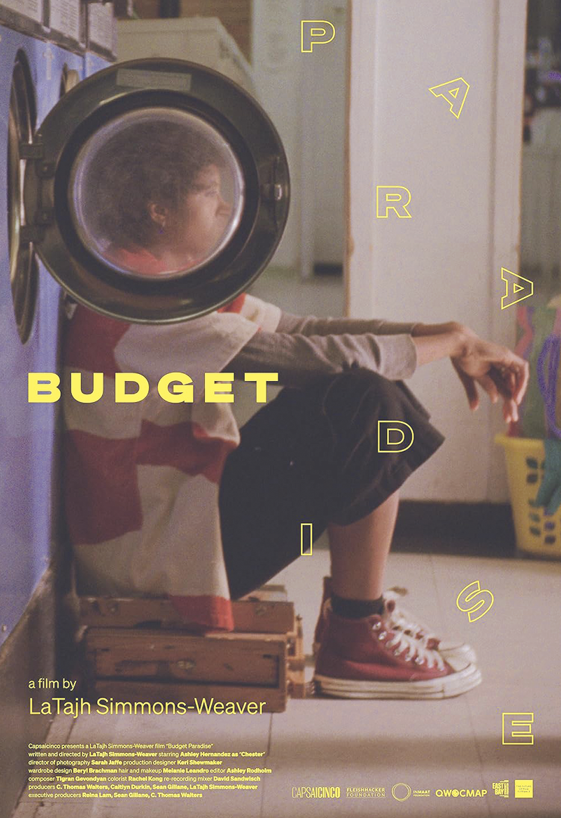
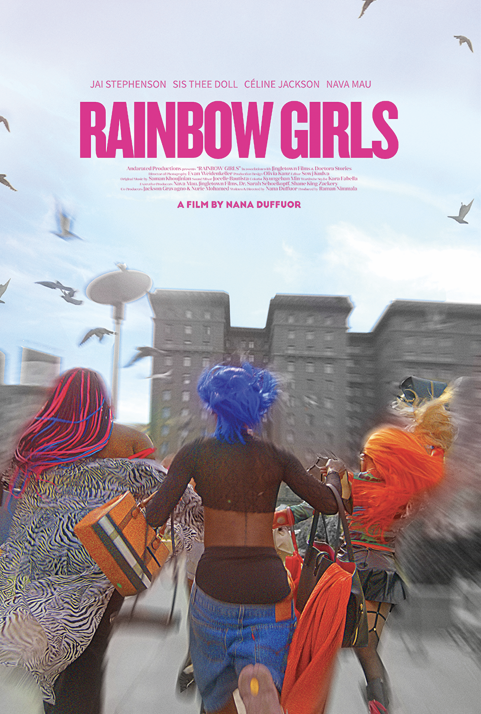
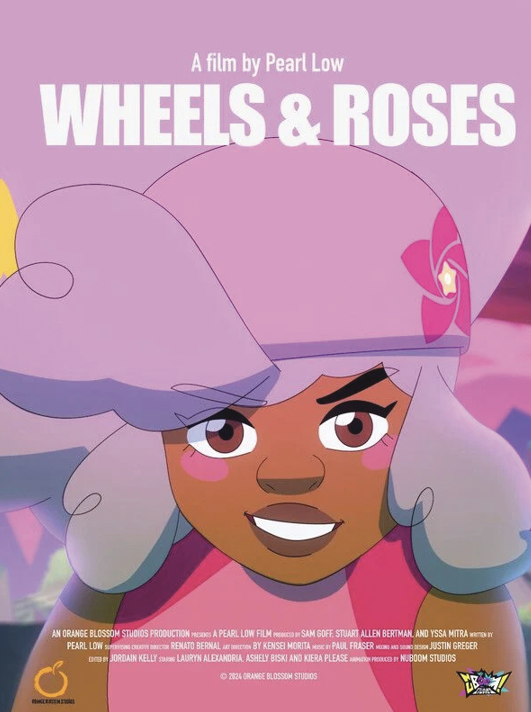
What lies ahead for San Francisco’s eclectic, radical art spheres remains murky; but organizations like the Queer Women of Color Media Arts Project (QUOCMAP) are not waiting passively for things to change. They are charting their own resilient and resistant paths forward.
Since 2000, the San Francisco-based nonprofit has carved out its own liberatory imprint, pressing into the city a transformative, inclusive film space where LBTQIA+ people of color create and have their stories amplified.
QWOCMAP has led free filmmaking workshops and fellowships that provide accessible resources for queer and trans people of all skill levels, and continues to host an international film festival that platforms revolutionary, defiant, and joyful narratives of queer and trans Indigenous folks, Black people, Muslims, disabled community members, and other LBTQIA+ people of color from around the world. The festival is also ranked in the top 3 most accessible film festivals in the world, and, of those, is one of two that offers audio descriptions for every film screened.
A Film Festival That Resists Its Community’s Erasure
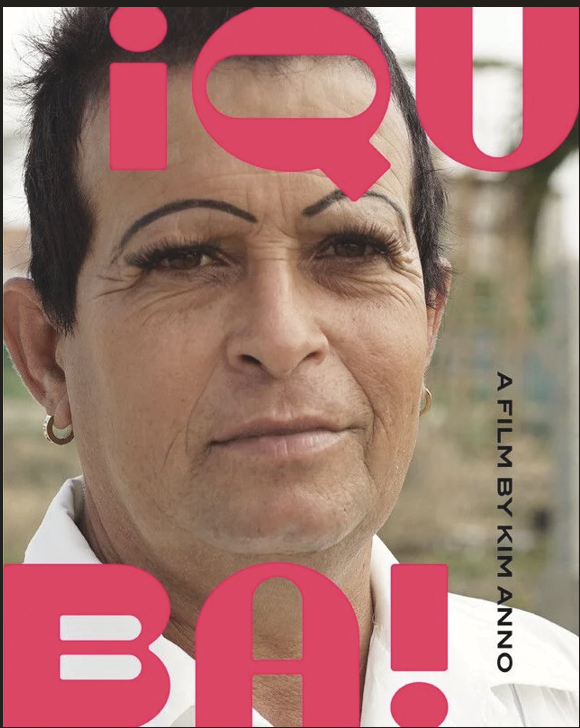
In a cultural moment where government rhetoric threatens to flatten and extinguish queer histories and storytelling, QWOCMAP refuses to silence or make digestible the stories they receive and illuminate. Guided by revolutionary learning, collective power, and abolition feminism, the organization will kick off their 22nd Annual International Queer Women of Color Film Festival on June 12, with programming that will bite back, without surrender, to institutional neglect.
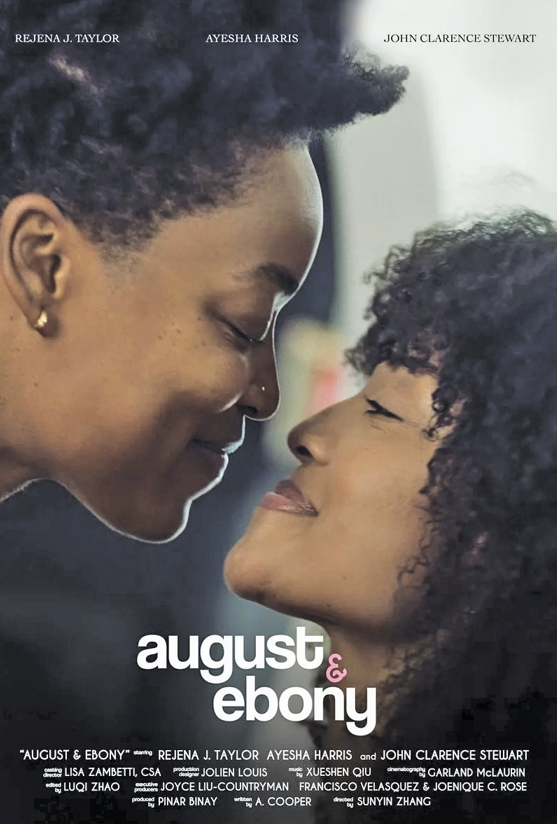
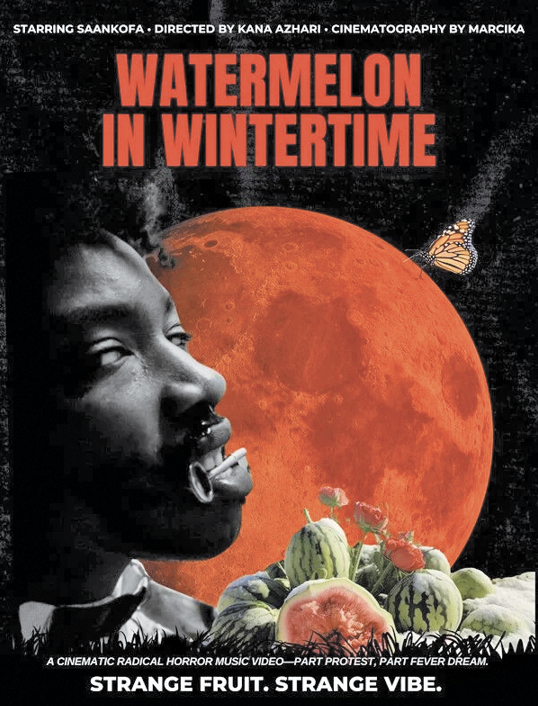
The festival will kick off with Queer Black Joy Like Fire, a screening of four dynamic films that will celebrate queer and trans Black imagination, play, and self-interrogation. In one, a musician and community organizer builds banjos from scratch to reconnect with the land-based practices of their ancestors. In another, three friends race through the streets of San Francisco—a blur of cheetah print and bright orange hair—as they plan a heist of the city’s most expensive luxury brands.
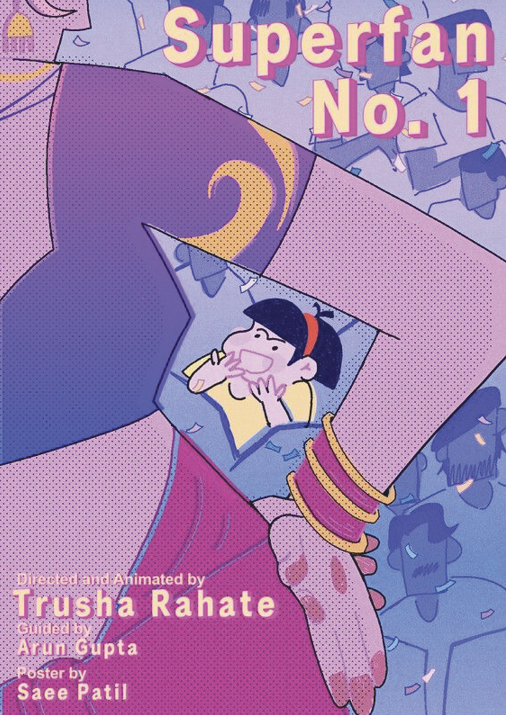
Rebellion courses through these films; each work is a brilliant flash of passionate, bold storytelling that refuses to contort itself to the status quo. Like one of the festival’s other screenings, Break S–t, QWOCMAP understands, under contentious city leadership and divestment from the arts, that artists have to lean on their community to patch up, break apart, and reshape the faulty systems that lie beneath their feet.
It’s no easy feat. Last year, QWOCMAP, through no fault of their own, was among 38 BIPOC-led organizations that had their grant funding rescinded by the city. The organization lost $500,000.
City’s Responses Are Only a Temporary Patch in a Long-Term Rebuilding
The City’s Grants for the Arts has offered two, one-time supplemental grants meant to support organizations who have experienced a significant loss of funding. While they may be helpful, they’re simply not enough, says Kebo Drew, QWOCMAP’s Managing Director.
Drew says, “These new, small grants are welcome for arts & culture organizations that are suffering under the austerity budget slashing by the city, as well as the right-wing resource grabs & funding cuts, which harm vulnerable communities in particular and on purpose—especially the transgender & queer people of color communities that we serve.”
“What is ironic is that so many of our arts & culture organizations are also led by artists and cultural workers from the very vulnerable communities that we serve, who also need housing, health services, education, public transportation, and more to survive, much less actually thrive. We also know that our communities pay taxes into a system that does not benefit us, rather people and corporations that already have abundant resources,” adds Drew.”
“These grants are a necessary stop gap to hold our communities together, but not nearly enough to meet the needs of our communities,” Drew continues. “We hope that this is a sign that vulnerable communities are being heard and that there are more positive changes, an end to budget cuts coming, and to large corporations and rich people paying their fair share. We see who is being impacted most negatively by these budget cuts and policies, which are a form of violence that induces premature death of vulnerable communities. It helps our organizations to survive and anchor communities, but it does not change the impact. This is especially true for QWOCMAP as our organizational wellbeing is directly impacted by the wellbeing of the communities we serve. When our community suffers, so does our organization. And when our organization suffers, our community loses an important anchor and resources.”
Charting New Ways to Survive and Thrive
As San Francisco artists continue to create, curate, and connect under uncertain conditions and developments, small and independent organizations and coalitions are the underdogs charting new ways to exist and survive. Underground radio, experimental microcinemas, avant-garde archives, community libraries—these saplings sprout in difficult terrain.
QWOCMAP is a sapling within this rich, interconnected system; its willingness to dream has upheld its existence for over 25 years, and will continue to plant fertile abundance for many more to come. The arts are especially important to marginalized communities, who are often having to shape new frameworks for survival, renewal, and expression when oppressive forces are readily forcing them out.
“For us, it’s crucial that we continue to uplift voices of resistance during these extreme cuts to federal, state, and city funding for arts & culture,” says Drew. “It is economic censorship, especially for artists from marginalized communities. QWOCMAP platforms filmmakers and builds our archive of 515+ films in the face of deliberate erasure of the lives and dreams of LBTQIA+ people of color.”
The 22nd annual International Queer Women of Color Film Festival will run June 12–14 at the Presidio Theatre, 99 Moraga Avenue, San Francisco. All events will be free and accessible. For the full schedule, including satellite screenings and a virtual encore, and accessibility information, visit https://qwocmap.org/festival/
Kristie Song is a reporter for the “Los Angeles Blade” and a multimedia journalist who has covered arts and culture for KQED and other media outlets.
Arts & Entertainment
Published on May 21, 2026






Recent Comments