





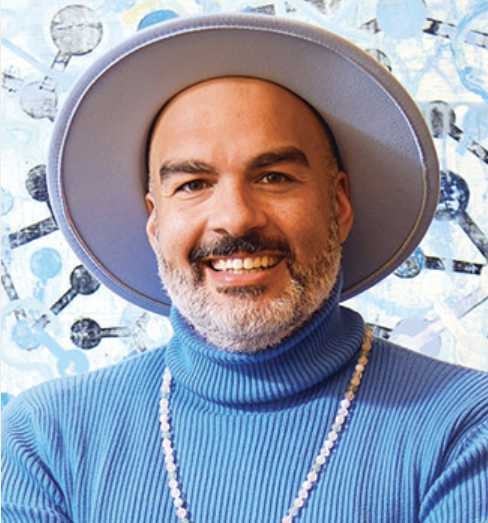
By Tyler Termee, Ph.D—
For more than a year now, I’ve been keeping an eye on changes to the federal landscape of HIV and LGBTQ+ funding—with a clear understanding that decisions at the federal level would inevitably impact state and local public health systems. That time is now.
Major provisions of H.R. 1 (the “One Big Beautiful Bill Act”) are taking effect and placing significant strain on San Francisco’s city budget, with the city now facing difficult choices on how to close a two-year, $643 million budget deficit.
Public health, LGBTQ+ care, harm reduction, and HIV prevention are on the line. In late April, the Department of Public Health (SFDPH) presented more information about the many community-based programs and services that will be cut in an effort to reduce SFDPH’s budget by $20 million (on top of an already approved $17 million in community-based organization cuts, and millions more on internal SFDPH reductions).
There are too many to name here, but the effects are sweeping and will be felt citywide by some of our most vulnerable and underserved communities.
The Health Access Point (HAP) network of care, which provides culturally tailored HIV and STI prevention and treatment, overdose prevention, and hepatitis C testing and treatment to populations across San Francisco (including Black and African American communities, Latine communities, and transgender communities) will receive cuts. Funding for San Francisco AIDS Foundation’s (SFAF) clinical services—which provide PrEP care to more than 3,000 clients per year—will be reduced. Two youth clinics and one geriatric clinic will close. Harm reduction services, including SFAF’s syringe Pick Up Crew, which picks up drug-related litter and also distributes the overdose prevention medicine naloxone, will experience cuts.
The outcry against these cuts has been swift and forceful, led by healthcare workers, communities who rely on these services, and advocates for LGBTQ+ and HIV communities. More than 150 people turned up to give public comments at a recent Health Commission meeting—with community advocates crowding the halls and waiting hours for their turn to speak their truth.
Members of SFAF’s HIV Advocacy Network (HAN), SFAF clients, and SFAF staff have passionately defended these services and programs at rallies and health commission meetings. We are making the case that now is not the time for San Francisco to turn its back on public health. This is a moment for San Francisco to defend and protect its social safety net—especially as federal actions from the Trump administration target the most vulnerable and threaten the very systems of care that define our city’s commitment to compassion and sanctuary.

San Francisco’s legacy is its response to HIV prevention, treatment, and care. The system of care that we have built and refined over decades is one we can be proud of—and must protect with urgency and intention. San Francisco AIDS Foundation is joining forces with our community as we face this moment of profound challenge head on.
The first week of June, we’re participating in the Seven Days in June: Health is Primary campaign to raise awareness about the devastating effects that federal cuts will have on health care and HIV here in San Francisco. Across the nation, people, labor unions, organizations, faith communities, civic leaders, and other advocates are hosting town halls, vigils, and other community events to demand accountability from candidates running for federal and local office in 2026. You’ll be able to find an event near you at https://www.sevendaysinjune.org/
As the lead plaintiff in San Francisco AIDS Foundation v. Trump, we, along with multiple LGBTQ+, health, and HIV organizations, are challenging the legality of Trump Administration Executive Orders that seek to erase transgender people and end diversity, equity, and inclusion in our work. Of paramount importance is establishing new ways to fund and provide no-cost health and support services our community relies on.
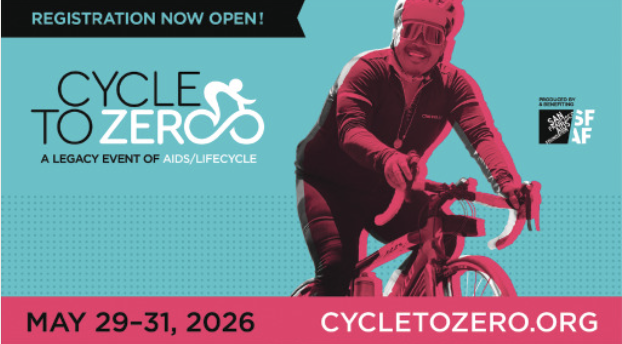
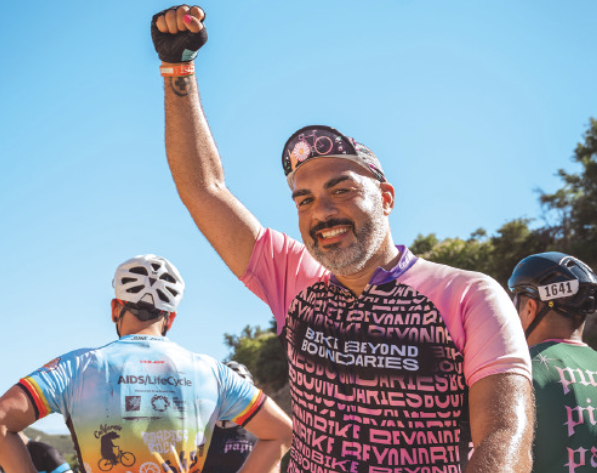
We launched a new fundraiser, Cycle to Zero, which is a 3-day cycling event that travels north from San Francisco, to Guerneville, and back along the Sonoma coast in support of reaching zero new diagnoses, zero stigma, zero inequity, and zero overdose deaths. To be held May 29–31, 2026, this event will bring previous AIDS/LifeCycle participants together with new community members to raise funds for all of our community and health services.
The new SFAF Pharmacy, based at our sexual health center in the Castro, provides, not only more seamless care for our clients, but also an opportunity to bring 340B revenue to our agency.
We are incredibly grateful to our community here in San Francisco and elsewhere, who are coming together during these difficult times to speak up for, raise funds for, and help protect the lives and safety of those in our communities who need it most. Thank you for standing with us, and being part of the legacy of the HIV response in San Francisco.
Tyler TerMeer, PhD, is the CEO of the San Francisco AIDS Foundation, a member of the AIDS United Governing Board of Directors, and has served for nearly a decade as the elected Co-Chair of the AIDS United Public Policy Council. He is passionate about improving the health of people living with HIV, ensuring that LGBTQ+ people have access to affirming care, that our nations overdose response is treated with the dignity and humanity that all people deserve, and in supporting and empowering, Black-led organizations and Black and Brown leaders. Dr. TerMeer holds a PhD in Public Policy and Administration from Walden University.
Fight for Basic Rights
Published on May 7, 2026










Recent Comments