




Cocktails With Dina by Dina Novarr
“Find out who you are and do it on purpose.”
—Dolly Parton
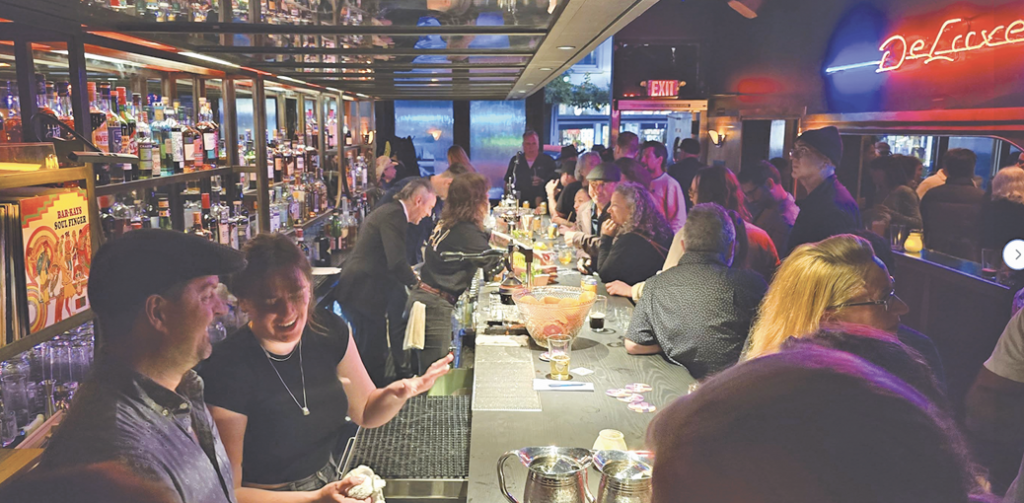
Before Christian Beaulieu and Jay Bordeleau opened a single bottle at The DeLuxe, they buried one inside the walls. Along with handwritten notes, they sealed a bottle of rye whiskey into 1511 Haight Street for whomever opens the place up next. It felt appropriate. During renovation, they uncovered redwood pilings, old newspapers, funky drawings, and a 1940s beer bottle beneath the walk-in cooler. On the cooler itself was a plate reading “installed in 1928.” The building had been leaving time capsules for nearly a century. They figured they owed it one back.
Dolly Parton would have understood. Parton spent her career pulling off essentially the same trick as The DeLuxe: changing constantly while remaining unmistakably herself. The hair got higher, the rhinestones got brighter, her bustline got bigger, but nobody wondered whether Dolly had lost the plot. That may be the best way to understand The DeLuxe.
The building has been a creamery, a tailor shop, a gay bar, and a jazz club. It has changed owners, murals, crowds, and eras, yet somehow remained itself. Like Dolly, it understood an important rule of longevity: Keep the bones. Improve the lighting.
Parton grew up in a one-room cabin in the Smoky Mountains, and rather than leave that identity behind, built a mythology around it. Dollywood exists because she believed where you come from is worth preserving, celebrating, and handing forward with a little extra sparkle.
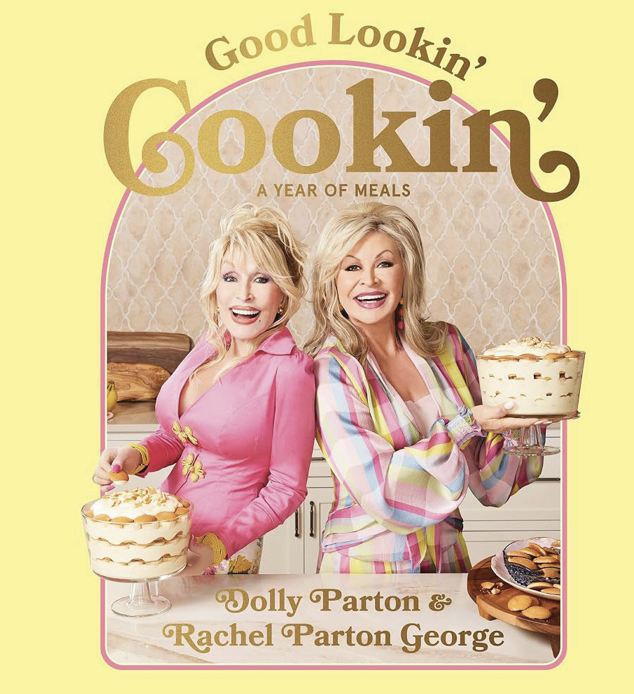
Her Dirt Road Martini followed the same logic. Featured in Good Lookin’ Cookin’, the cookbook she wrote with her sister Rachel Parton George, it starts with a dirty martini and takes an unexpected detour: unsweetened iced tea replaces vermouth, giardiniera brine replaces olive brine, and pickled vegetables join the garnish. On paper, it sounds like a bartender lost a bet. In the glass, it works. It tastes like something you already know, arrived at by a road you’ve never taken. This is exactly what The DeLuxe is doing at 1511 Haight Street.
The DeLuxe reopened June 18, 2026, after three years dark. Beaulieu, a musician who spent years behind the bar at the old Club Deluxe, and Bordeleau, who runs Mr. Tipple’s Jazz Club, spent two years navigating permits, renovations and a community investment campaign to bring it back. Their central question was simple: What do you keep, and what do you change? Their answer: Follow the room.
At the center of The DeLuxe is a wall of Art Deco cutouts with original redwood pilings behind them. Instead of competing with it, the renovation followed its language. The new bar shelves, backstage drop, and street-facing windows all echo its geometry. The original glass blocks were polished and restored. They look new. They aren’t. Keep the bones, improve the lighting, and fix what is needed.
The cocktail program followed suit. The Spa Collins and Greyhound, legacy drinks from Club Deluxe, stayed. The upgrade was operational: The cocktails are now on tap so the bar can move faster. The classics stayed. If Dolly could change costumes fourteen times without becoming a different person, the Greyhound could survive a draft line.
The murals at The DeLuxe are where the philosophy becomes more meaningful. The building’s history as a gay bar in the late 1970s had largely disappeared from public memory. Beaulieu had heard stories about black-and-white murals from that era depicting a couple in a 1952 Chevy DeLuxe that broke down on the road. A mechanic arrives. The husband leaves with the mechanic. Those murals were later painted over.
When Jay Johnson opened Club Deluxe in 1989, he commissioned his own murals depicting his journey from Chicago to California, complete with the train and sky-blue landscapes longtime regulars remember. When the club closed, those murals left with him. So, Beaulieu called muralist and musician Jon Weiss. Rather than tell one person’s story, they decided to tell the story of the room. The new murals move through the building’s history: Playland at the Beach, the creamery, tailor shops, the Gold Cane, the gay bar, the swing era and, in the final panel, Jay Johnson himself singing out toward the street with a train behind him. “There’s enough Grateful Dead imagery on the outside of buildings in this neighborhood,” Beaulieu said. “This is our version.”
The murals are not nostalgia. They’re stewardship. They put the gay bar back on the wall. They give Jay Johnson his final bow. And Beaulieu and Bordeleau buried their own chapter inside the building for someone else to find later.
The idea of stewardship, Beaulieu says, came largely from Bordeleau: The DeLuxe belongs as much to its regulars and neighborhood as it does to its owners. After Club Deluxe closed, Beaulieu couldn’t bartend anywhere in the city without someone asking him about it. “At some point it clicked,” he said. “This thing is bigger than I realized.” The room had served the gay community. It became part of San Francisco’s swing revival. It became a neighborhood jazz club. It kept changing into whatever the present needed. That change, Beaulieu believes, is the tradition.
Authenticity doesn’t mean looking exactly the same forever. It means changing so confidently that nobody mistakes you for anyone else. Opening a business in San Francisco in 2026, Beaulieu said, is like flying into the eye of a hurricane. He and Bordeleau are co-captains, but the ship was built long before they arrived. Their job isn’t to pretend they built it. It’s to keep it moving. Find out who you are and do it on purpose. Keep the bones. Add rhinestones when necessary.
At 1511 Haight Street, the room keeps changing. And somehow, it keeps staying itself.
Dolly had been doing roughly the same thing for sixty years: new sound, new dress, new wig, but same Dolly. Neither Dolly Parton nor The DeLuxe seemed particularly interested in going quietly.
If you’re wondering what to order, start with the Greyhound. It’s the old bus with cracked pleather seats, a questionable suspension, and the most interesting people you’ve ever met already onboard. Then Dolly climbs in, tells the driver to take the dirt road, and suddenly the classic route gets a lot more interesting.
Dolly’s Dirt Road Martini
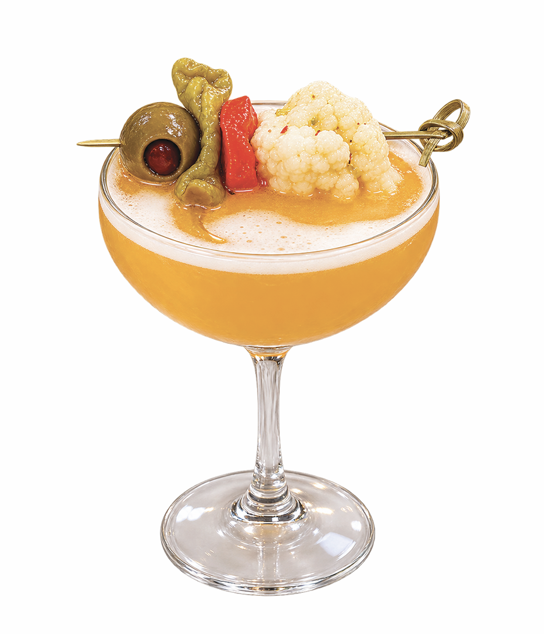
A dirty martini that took the long way home
2 oz. vodka
2 oz. unsweetened iced tea
¼ oz. Italian giardiniera brine (Dolly would prefer you use Mezzetta brand) garnish: Spanish queen olives and pickled vegetables
Combine ingredients in an ice-filled mixing glass. Stir until chilled and strain into a coupe or martini glass, or over fresh ice.
Garnish with olives and pickled vegetables.
Sip slowly. Talk to a stranger.
(Recipe from Good Lookin’ Cookin’ by Dolly Parton and Rachel Parton George)
San Francisco-based Dina Novarr enjoys sharing her passion for fine wines, spirits, non-alcoholic craft beverages, and more with others.
Cocktails With Dina by Dina Novarr
Published on September 10, 2026








Recent Comments