








By Tim Seelig—
My entire life, I have been aware of the power of music. Most of us have. We’ve known it from our earliest days on this planet, when those to whom our little bodies were entrusted did everything to soothe our fussing and crying. When all else failed, they finally remember to sing to us. Music found its mark and did its work when nothing else could.
I repeat this often in my teaching and writing: “Music is not the end. It is a means to an end.” There are many for whom music is all there is. It’s the end. The pursuit of perfection is enough. But, for others, it is a tool to move the hearts of humans. The only decision is where you want to move them.
As children, we used music to entertain ourselves. In school, it was an educational tool. We learned our ABCs by singing them. We struggled to sing “The Star-Spangled Banner” along with every singer at every sporting event. In church, we were deeply indoctrinated by the music. It is one of the things Bobby Jo and I love to share. At the most random moments, we can burst into songs from our childhood in the church, “Deep and Wide” or “The B I B L E, yes, that’s the book for me.”
In church, music was the thing that prepared the crowd to receive the pastor’s sermon—getting them warmed up, as it were. When he finished (pronoun intentional), it was the music that brought the sinner to repentance with the umpteenth verse of “Just As I Am” or “I Surender All.” If we sang enough verses, waiting for one more soul to be moved, someone would finally give in just to get to go eat lunch.
Then, I came out and out went a lot of things, including the songs that had been like old friends. A lot of other old friends hit the road, too. Now, what? I began to learn about songs of protest—with different targets than just that old mean devil! It was a new world to me. I found that music had many other “ends” to the “means.” And we got to choose.
Now that I am elder, I’m conducting an elder choir. It is so much fun. This is what brought me to ponder these things. We are doing a concert of music from our three birth decades, the ‘40s, ‘50s and ‘60s. The average age of our 100 singers is 69.5. You must be 55 to join. So, everyone was born before 1971!
Along with the fun stuff, we are visiting the protest songs. I already knew the 1960s protest songs. I didn’t sing them myself, but had heard them. The first big concert my parents allowed me to attend, in 1968, was Peter, Paul, and Mary. They seemed like a wholesome young trio to my parents. Oh, Lord, help us!
The real shocker for me was what was going on leading up to the ‘40s. I think the surprising thing was how closely what was happening mirrored what is happening in the U.S. now.
In 1938, Irving Berlin revised his 1918 hit, “God Bless America,” in protest to Hitler’s rise. He was Jewish. He also did not believe in God. Kate Smith sang it on an Armistice Day radio program in 1938, and it became a household hit.
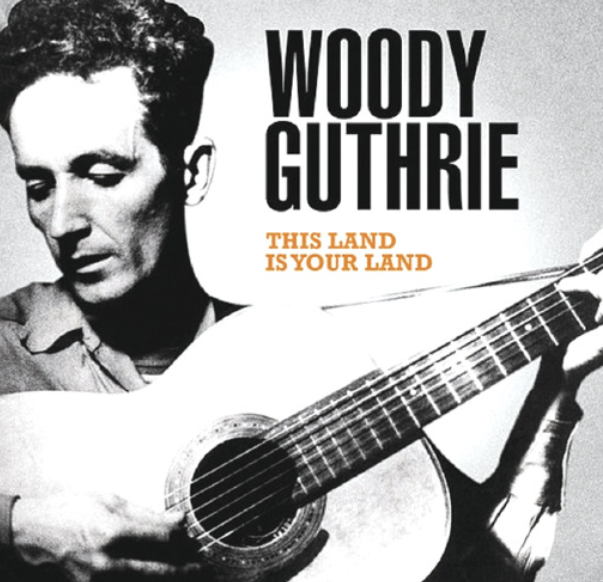
In 1941, Woodie Guthrie wrote “This Land Is Your Land” as a protest because he was sick of hearing “God Bless America.” It wasn’t the way he saw America. I previously wrote an entire article, “This Is Not Your Land,” about this song. He wrote two verses that referenced poverty and social disenfranchisement. They have been dropped.
“One bright sunny morning in the shadow of the steeple,
by the relief office I saw my people.
As they stood hungry,
I stood there wondering if God blessed America for me.”
In the same year, Berlin countered with “When That Man Is Dead and Gone.”
“When that man is dead and gone
We’ll go dancin’ down the street
Kissing everyone we meet
What a day to wake up on
What a way to greet the dawn
When that man is dead and gone.”
Well, if that doesn’t strike a chord, maybe this one will. Not to be outdone, in 1942, Woodie Guthrie wrote, “All You Fascists Bound to Lose.”
“I’m gonna tell you fascists: you may be surprised
The people in this world are getting organizedYou’re bound to lose, you fascists bound to lose”
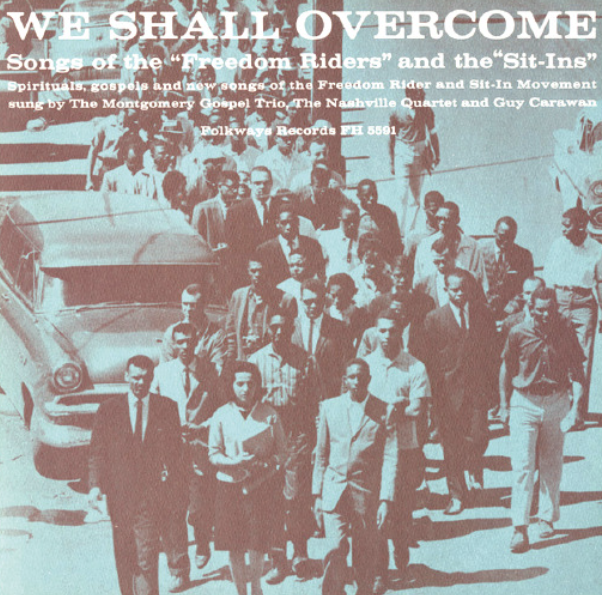
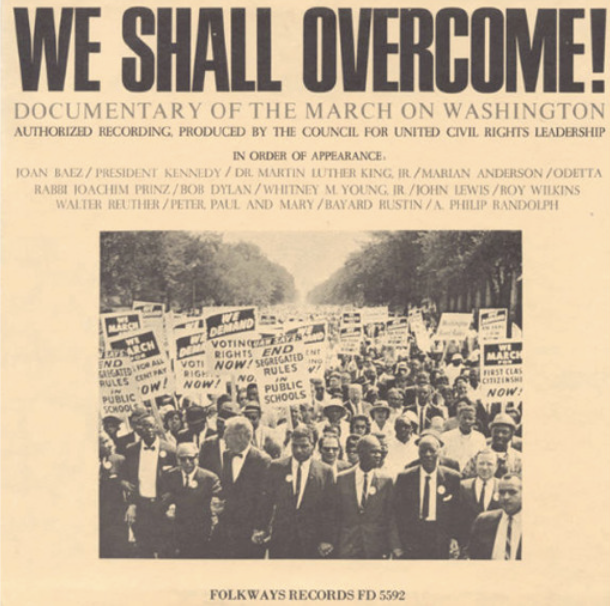
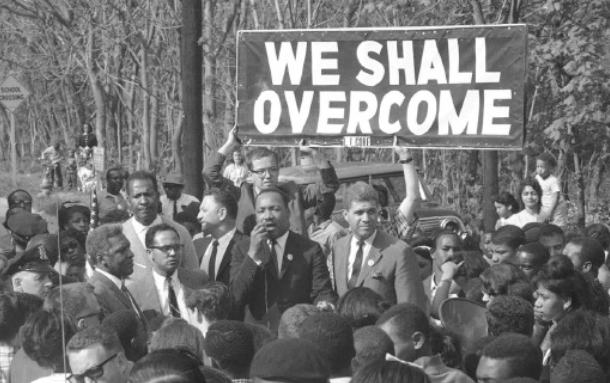
There is so much more in our protest songs in the ‘50s and ‘60s. There are just too many to discuss, such as how Pete Seeger brought “We Shall Overcome” to the forefront of the civil rights movement.
We have much to learn from generations past. They were clear on what they hoped the impact of their music would be. They knew there was a powerful “end” to their efforts.
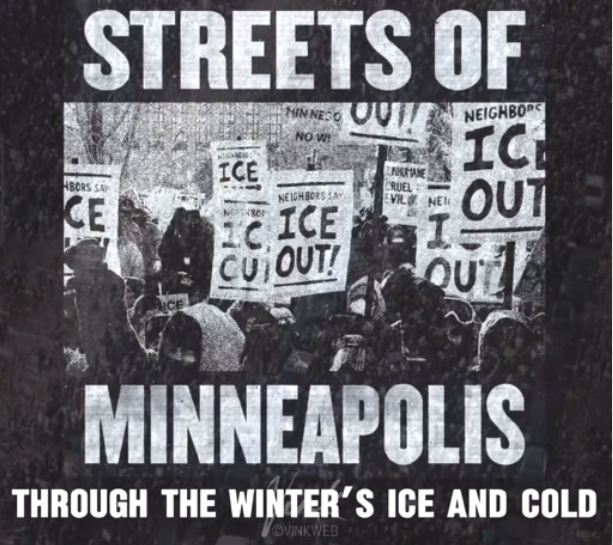
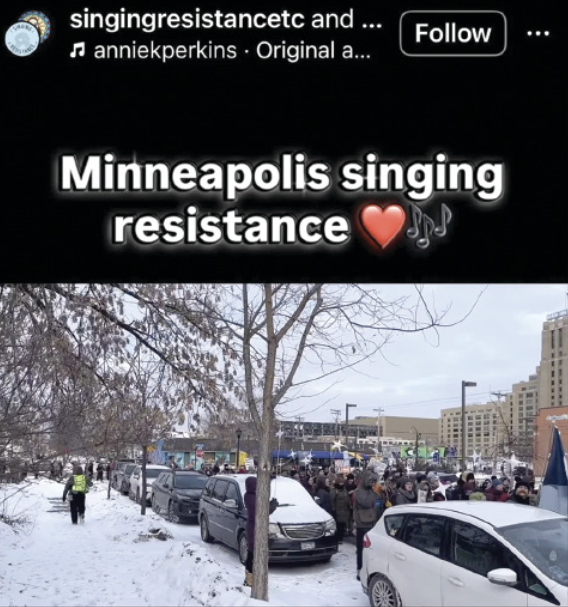
Today, people are rising up singing. Minneapolis brought a wave of new protest music including Bruce Springsteen’s “Streets of Minneapolis.” There is an entire movement “Singing Resistance Twin Cities” creating new protest songs in the wake of ICE. We did our part singing at the ICE Detention Center here in Portland.
We have a rich history of protest music. This is only scratching the surface. I’m excited to get to lead the Sage Singers in reviving some of the songs of past revolutions in hopes of helping to spark another. We know what the end to our means is: change, seismic change.
Dr. Tim Seelig is the Conductor Laureate of the San Francisco Gay Men’s Chorus.
TLC: Tears, Laughs and Conversation
Published on March 26, 2026











Recent Comments