




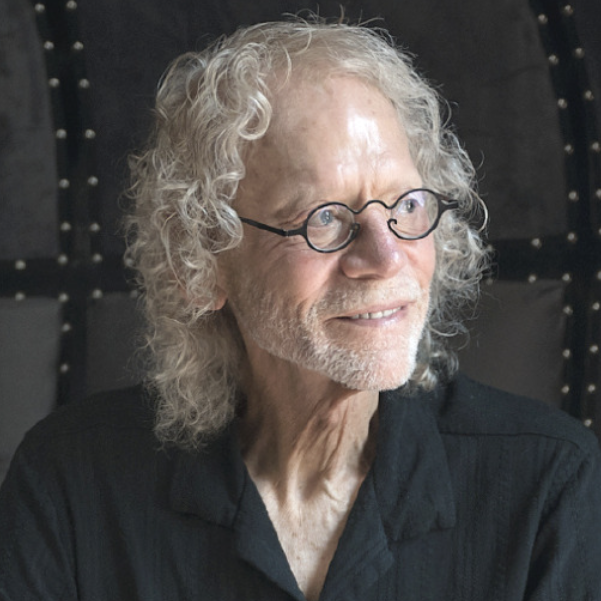
By Tom LeNoble—
(Editor’s Note: Tom LeNoble, as SF Pride’s Suzanne Ford shares, “has lived a big life.” He has held senior leadership roles at several of the nation’s top companies, co-founded the Taranga L.W. Foundation, been a drag queen and performer, and is a longtime HIV/AIDS and cancer thriver. Now a confidential advisor to founders and leaders, he is the author of an award-winning memoir: My Life in Business Suits, Hospital Gowns, and High Heels. This issue marks the launch of his new column in the San Francisco Bay Times, The Philanthropic Mindset.)
San Francisco is known for many things: innovation that reshapes industries, technology that changes how the world connects, entrepreneurs who build ideas into companies, artists who redefine culture, and neighborhoods filled with history, vibrant diversity, and creative energy. It is a city comfortable with bold ideas.
Yet, some of the most important work happening here rarely makes headlines. It happens in community centers, classrooms, shelters, rehearsal halls, health clinics, and neighborhood organizations across the Bay Area. It is the quiet work of people who choose to care. That choice is what I call The Philanthropic Mindset.
Most people think philanthropy begins with money, a check, a gala, or a name on a building. And sometimes it does, but the deeper truth is simpler. Philanthropy often begins with attention; a smile, a hello, or opening a door can be philanthropic gesture.
It begins when someone notices a need and decides that indifference is not their role.
This monthly column explores that mindset through conversations with executive directors and leaders of Bay Area nonprofit organizations. It is not meant to promote their organizations, but to explore something more personal: the moment their commitment began.
Every leader in the nonprofit world carries a story behind their work: a moment that shifted their direction, a person who inspired them, or an experience that made standing on the sidelines impossible. Each month we will explore that story, because when we understand why people choose to serve, we begin to see that philanthropy is not reserved for institutions or foundations. It belongs to people.
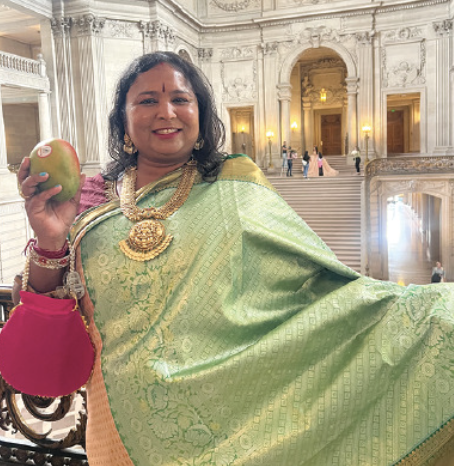
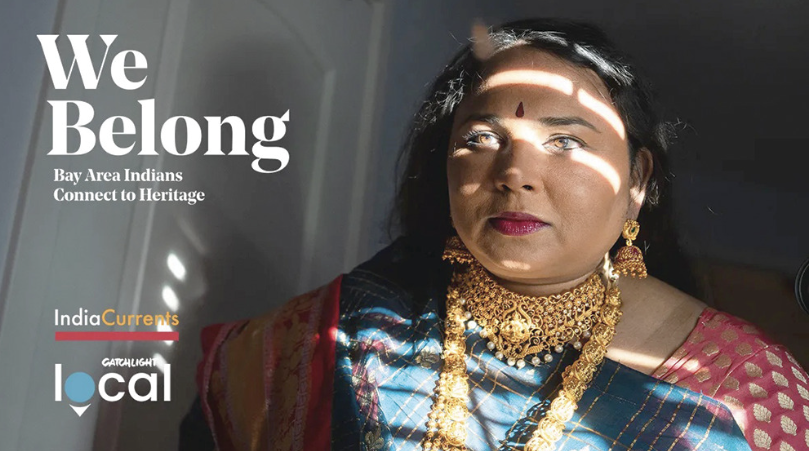
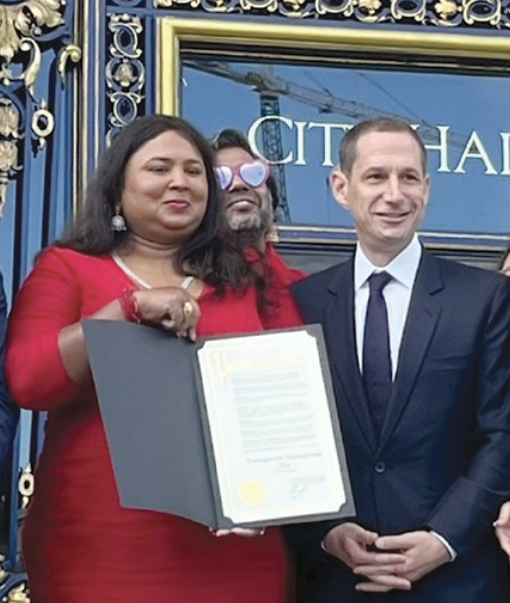
This month we are exploring the Philanthropic Mindset with Anjali Rimi, President of Parivar Bay Area.
Since 2018, Parivar Bay Area has been the first and only U.S. Kinnar Hijra-led and empowering organization centering Indian South Asian and Global South transgender, gender-diverse, and intersex immigrants and asylees. Based in San Francisco and with a global mindset, Parivar Bay Area is rooted in Indian heritage, trans leadership, and immigrant justice. It advances social, economic, and legal equity through advocacy, arts, direct support, and leadership development. Parivar aims to reclaim spaces beyond cisnormativity, confront systemic barriers, and build bold, affirming pathways where our communities thrive locally and globally grounded in dignity, belonging, and pride.
Tom LeNoble: What first opened your eyes to the work you now do?
Anjali Rimi: The struggle, suffering, and desperation that continued for folks with my same intersexual journey even twenty years after my experience. This got me to stand up and stop being on the sidelines.
Tom LeNoble: Was there a moment when helping others stopped being an idea and became a commitment?
Anjali Rimi: The idea of helping someone was instilled in me in the way I was brought up. It’s in my DNA. My inflection point was when I saw one of my trans daughters, an aspiring medical student, die trying to gain treatment access during the COVID pandemic. Then, locally, around the same time seeing a Kinnar matriarch in our community be robbed of her employment wages—observing how a society that claims to be progressive was disowning her and disapproving of her existence. It was a catalyst to get involved.
Tom LeNoble: Who modeled generosity for you growing up?
Anjali Rimi: Many folks, most with maternal influence. It started with my mother who was a victim of violence on the domestic front, yet she gave generously through loads of love and self-care. Also, from the ancestors at a temple near where I grew up in India. Finally, the leaders in San Francisco who do this work when they don’t have to.
Tom LeNoble: What keeps you hopeful when the work becomes hard?
Anjali Rimi: The smiles. The smile on someone who receives help. The belonging that someone finds in their home community. The ultimate gratification is to see that someone is building a sustainable livelihood, has a stable immigration status, and is receiving respect. That keeps me focused on this work. I face headwinds, but I take the hate that comes my way and I three times it and turn it into love.
Tom LeNoble: And perhaps the most revealing question of all. If you were not doing this work, what would the world be missing?
Anjali Rimi: I am not indispensable. I am not the only leader doing this work. I bring a unique perspective of someone who has been on both sides of the policy line. I bring affirming and strong understanding of what it brings to blend the global south with the global north being from India, an immigrant, a woman, and a Kinnar. I am a successful public servant serving my community as a leader and as trans person in the United States of America. Hence, I hold with humility and responsibility these unique perspectives having been first on many fronts. These perspectives can change minds.
Tom LeNoble: What do most people misunderstand about this work?
Anjali Rimi: Folks think we are doing this work for a photo opportunity or for philanthropic social standing. The unsung heroes and leaders are doing this work because we want to make it better for someone else. It is misunderstood that those of us on the margins need to go through traumatic, violent, and unforgiving situations to be in a better place today. It is a misunderstanding that, because we are trans, an immigrant, and Brown, that we are supposed to suffer and survive before we thrive.
Tom LeNoble: What is unique about doing this work in the Bay Area?
Anjali Rimi: The Bay Area is a haven for all those who are very much part of humankind but may not be treated well elsewhere in this country or world. When we come to the Bay Area, we carry an intrinsic welcoming that this land offers, even if it is stolen land from the Ohlone folks.
It has affirmed my identity as a lone Kinnar leader, as a minority who is a Hindu, and as a woman. These identities have been collectively celebrated and uplifted in the Bay Area. I can’t fathom this happening anywhere else in this country at this moment.
The Bay Area is powerful in bringing us together as a community that can build collective trends and collective liberation to help each other out across identity, gender, cast, class, religion, and spaces.
Tom LeNoble: How has this work changed you personally?
Anjali Rimi: This work is hard! It has required me to grow over the years, to understand there is a balance to be achieved between helping someone and letting them consider you as their chosen family. I am a conduit to helping people on their journey whether about gender or as a migrant. It has helped me to be more strategic and organized in how I am able to scale and support thousands of people as a mortal, single, breathing human being. It has helped me understand the disparities in the system at large and how to overcome that in the reactive mode I need to be in when helping an individual.
Tom LeNoble: What would surprise people most about you outside of this work?
Anjali Rimi: People are surprised to hear I’m a dirt bike and avid motorcycle rider. I love speed. I even rode my motorcycle in SF Pride leading the Dykes on Bikes in my Indian outfits.
Tom LeNoble: If you had an unexpected free day in San Francisco, where would you go?
Anjali Rimi: I would go around the whole city and taste all the ice cream and gelato places. I’d start naming a flavor for my communities, trans, Kinnar, and migrant. No doubt every flavor has been touched by an immigrant.
Tom LeNoble: Thank you, and readers, for joining me. I’ll see you here next month as we explore The Philanthropic Mindset of another Bay Area nonprofit leader.
Tom LeNoble is an international speaker, confidential advisor, and resilience strategist who works with leaders navigating meaningful inflection points in life and leadership. He has held senior leadership roles at MCI, Walmart.com, Palm, and Facebook, and high growth startups. He is the author of the award-winning memoir “My Life in Business Suits, Hospital Gowns, and High Heels.” Through speaking, coaching, and writing, he explores resilience, leadership, and the choices that shape how we show up for others and for the communities we serve.
The Philanthropic Mindset
Published on March 26, 2026









Recent Comments