





By Joanie Juster—
Since January 2025, Americans have taken to the streets in unprecedented numbers to protest the destructive policies and actions of the Trump administration. From Indivisible to 50501, Hands Off, #TeslaTakedowns, Save Our Sciences, No Kings, May Day, and many other days of action, millions of people have answered the call to stand up and be counted. We know the drill: When called, we show up.
Now there is a new call to action: asking you to show up, not just for a day, but for an entire week, focused specifically on the healthcare crisis our country is facing. Activist Cleve Jones and a growing coalition of organizations and advocates are calling for us all to show up and speak out throughout the first week of June, to demand that our federal, state, and local representatives prioritize healthcare.
I talked with Cleve for the San Francisco Bay Times about the Seven Days in June campaign, to learn more about how it got started, what it hopes to accomplish, and how people can get involved. He has been at the forefront of healthcare activism since the very beginning of the AIDS pandemic. This June 5 will mark the 45th anniversary of a rare pneumonia affecting gay men being reported in the CDC’s Morbidity and Mortality Weekly Report. It eventually became known as AIDS. This current moment in our country is eerily reminiscent of that time, when our government was not responding to the growing health crisis, and it became clear that Americans had to step up and demand action.
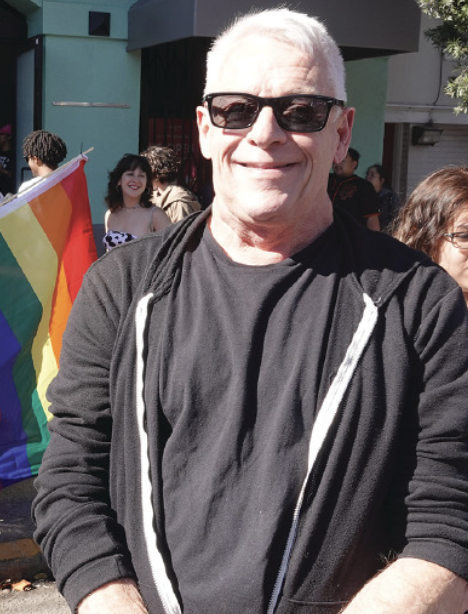
Cleve talked about his reaction when Trump signed an executive order on his first day in office mandating a pause on funding for USAID—and then Elon Musk gleefully boasted about taking a chainsaw to the agency. He said, “It was heartbreaking, and made me angry. Then when Trump tried to cancel World AIDS Day, I thought about the nearly 45 million people who had died of AIDS. We were on the verge of being able to see that a world without new HIV infections was possible.”
That vision of a world without new HIV infections seemed to be almost attainable, thanks to over four decades of activism, investment, and research that brought us to this time, when twice-yearly injections capable of preventing transmissions have become available to those for whom they are available and affordable. Budget cuts can quickly change the course of that trajectory.
Cleve called his old friend Sean Strub, founder of POZ magazine, and one of the original ACT UP activists. They talked about the fact that this June 5 would be the 45th anniversary of the first AIDS diagnosis. “We discussed what we could do to observe this horrible anniversary,” he said, “but realized it couldn’t just be about AIDS.”
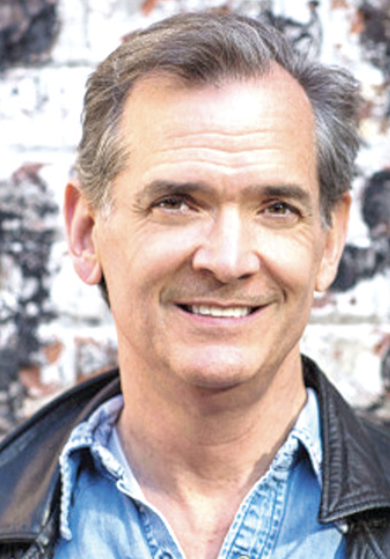
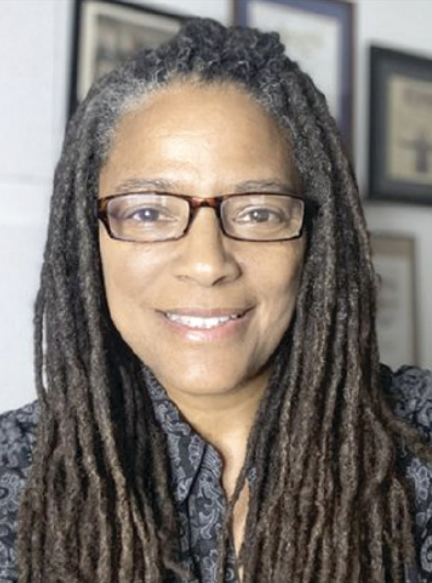
Cleve’s conversations with Sean led to other conversations, including with Nadine Smith, whose 28 years of leading Equality Florida gave her data and insights into other healthcare issues such as maternal mortality rates among Black women, the closure of rural hospitals, and all the ways this administration’s budget cuts and policy shifts could spell disaster for Americans.
They started reaching out and talking to more people; old-school organizing.
The issues became clear. Everyone needs and deserves good, affordable health care, but too many are struggling with the cost of insurance premiums, medication costs, elder care, reproductive care, and more. And, while the price of gasoline is currently grabbing more headlines, the dire state of our country’s healthcare system is what affects every American. They realized they had to address this administration’s assault on the health care of all Americans, but that health care must not be an ideological division.
The question became what to do about it, and when to do it.
As stated on the Seven Days in June website, the goal of this campaign is to establish a civic expectation that health must be treated as a core governing responsibility, regardless of ideology or party, and to raise awareness and preparedness for the impact of the coming $1 trillion in cuts. While the seed that inspired this project started with June 5 being the 45th anniversary of the AIDS diagnosis, it turned out that June is also when the largest number of state primary elections are held. The conversations expanded to include strategizing about how to hold our elected leaders accountable, and making sure they prioritized health care. We must not only tackle the current state of our healthcare system, but also brace for the major budget cuts coming after this year’s elections, thanks to the “Big Beautiful Bill” passed last year.
Months of back-to-back-to-back Zoom meetings led to building a decentralized, nonpartisan, grassroots campaign to create a weeklong menu of events, rather than one day of action. As the circle of conversations grew, Cleve found that no one said no to joining this movement: There was consensus that accessible, affordable health care was a nonpartisan issue that deserved to be prioritized at all levels of government.
The large and growing team started contributing resources. Solidarity was found among the labor, healthcare workers, scientists, the interfaith community, community groups, nonprofits, and more. Cleve saw that, as more Americans were being affected by this administration’s policies, there was a growing shift in public opinion. Elon Musk had told America that compassion and empathy were weaknesses. Cleve was convinced that Americans must speak out and prove that he was wrong. “There are people who are changing their minds,” he said. “We have to make the most of this moment.”
How to Take Part in Seven Days in June
There are many ways to take part in Seven Days in June: Everyone is invited to take action. The first step is to visit the website at https://www.sevendaysinjune.org/
You can choose to participate in actions that are already being organized, or you can start one of your own using the toolkit on the website. Local groups and advocates will organize and participate in town halls, panel discussions, forums, demonstrations, marches, rallies, interfaith services, AIDS Memorial Quilt displays, and social media campaigns in rural towns and urban neighborhoods nationwide.
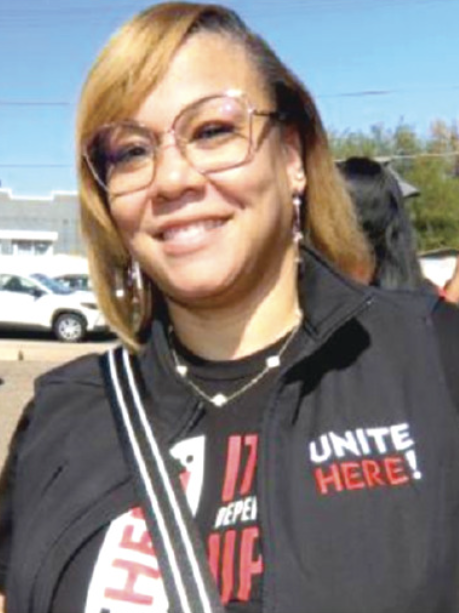
Organizers are recommending a wide range of activities throughout the week. With fifteen states holding primary elections in June, town halls with candidates and contacting elected officials can be effective ways to draw public attention to the issue of healthcare, and also to hold them accountable. Nia Winston, Secretary-Treasurer of UNITE HERE, said, “Seven Days in June is about making sure every federal, state, and local official knows that we are watching, we are organized, and we will not let them gut the systems our communities depend on to survive.”
On Friday, June 5, there will be candlelight vigils across the country honoring those who have died or who are at risk because of cuts to health care. Details for the vigil in San Francisco will be announced soon; check the Seven Days in June website.
Join Us
Cleve summed up this call to action recently, saying, “Seven Days in June is about refusing to be quiet. It is about adding our voices to the long line of ordinary people who looked at an injustice and decided not to accept it. San Francisco has answered that call before. In the worst of times, in the face of fear, stigma, and indifference, this city organized, spoke out, and refused to accept that some lives mattered less than others.”
See you in June.
Joanie Juster is a long-time community volunteer, activist, and ally.
Fight for Basic Rights
Published on May 7, 2026









Recent Comments